Skip to content

Cart

Your cart is empty

Polyglyceryl-10 Laurate

INCI: Polyglyceryl-10 Laurate · CAS: 34406-66-1

PEG-FreeSolubiliser & Emulsifier
PEG-Free Non-Ionic Solubiliser & Emulsifier
Palm-free plant sourcing
Low-water grade
Non-ionic versatility
Sale price$44.95
Available in:

Available to order

Sold by weight (g or kg). Reference only: 250 g ≈ 227–238 mL at 25°C.

Calculate quantity needed +
Recommended use levels

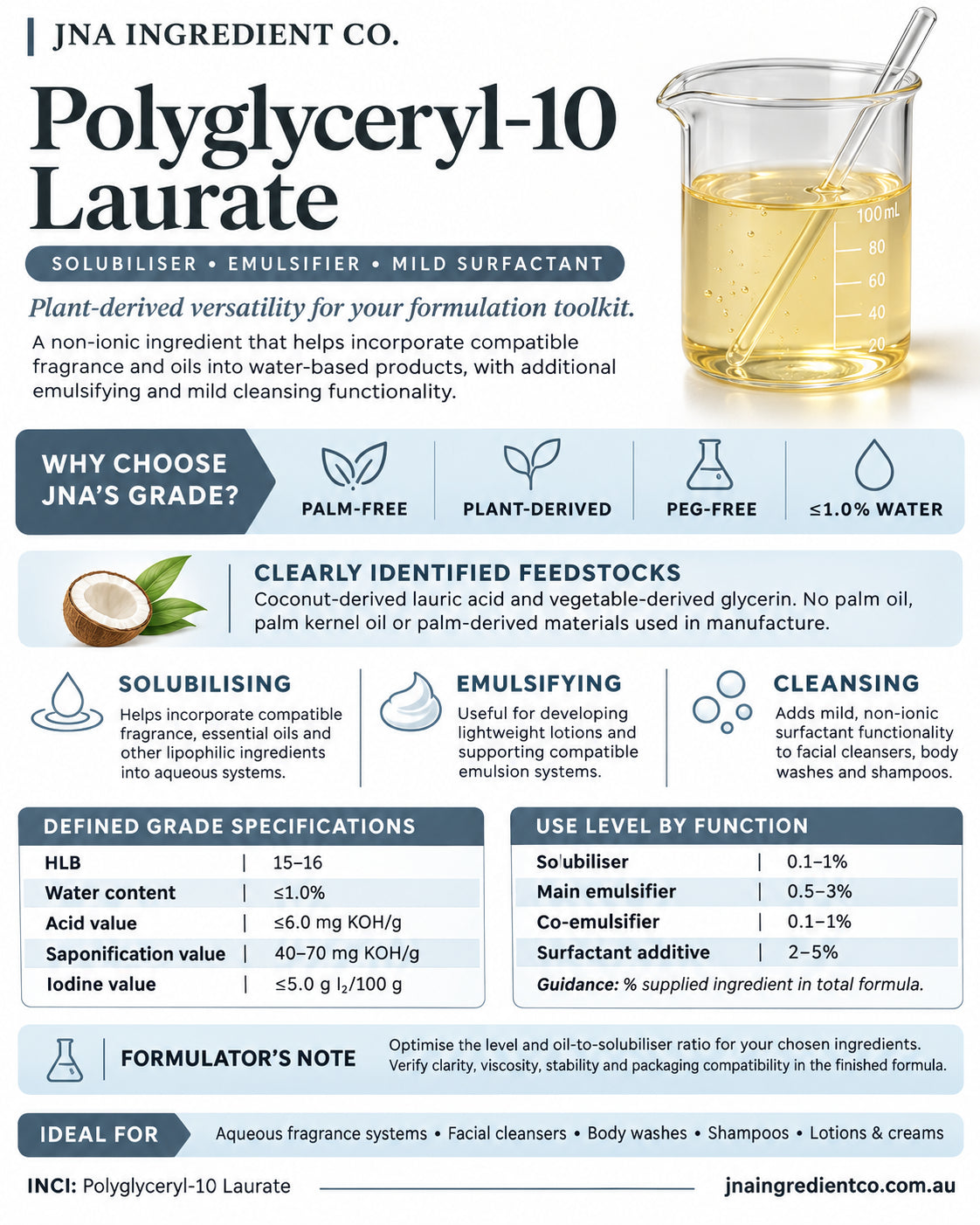
Solubiliser: 0.1–1%; main emulsifier: 0.5–3%; co-emulsifier: 0.1–1%; surfactant additive: 2–5%, of the supplied ingredient in the total formula.

Excludes processing loss and retained samples. The calculation does not establish a suitable or effective use level.

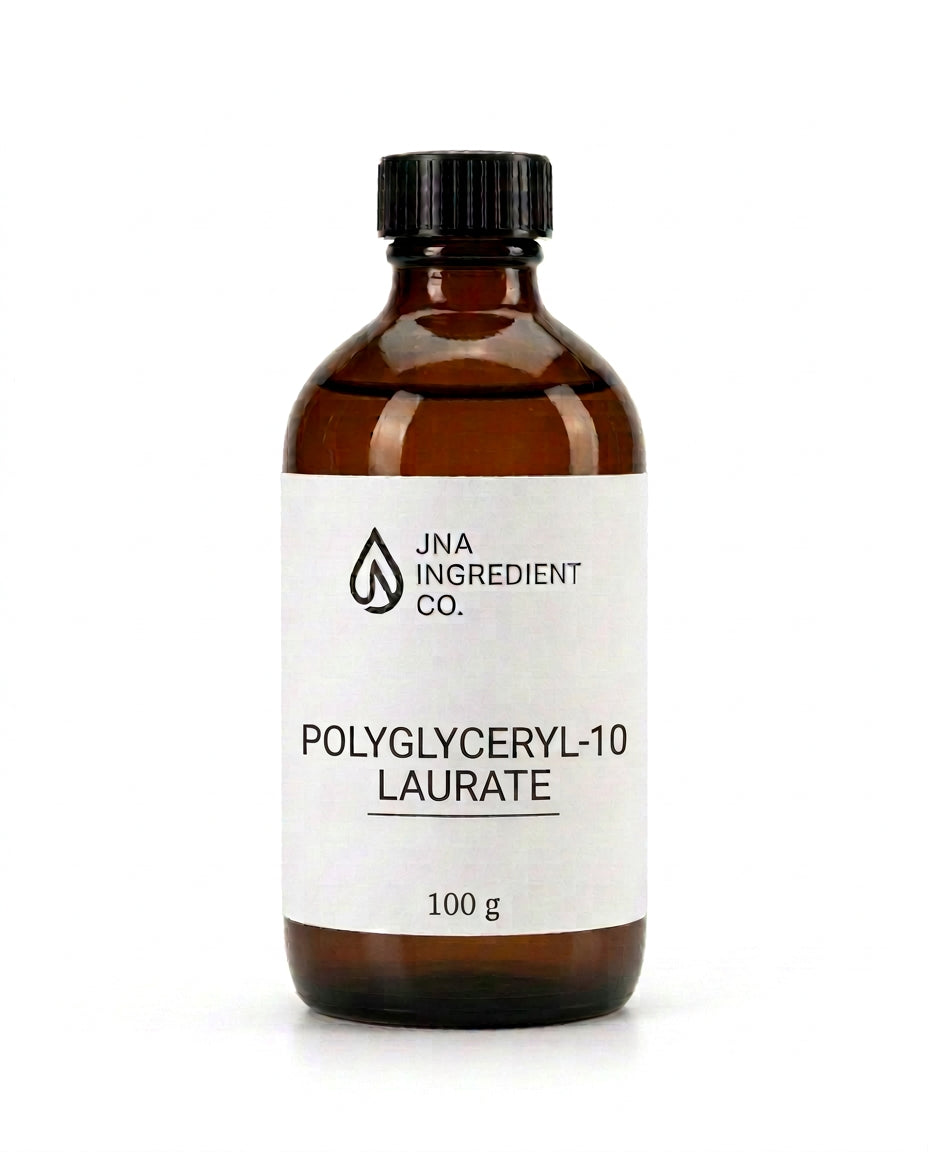
An amber glass bottle with a black ribbed cap and a white label reading 'JNA INGREDIENT CO. POLYGLYCERYL-10 LAURATE 100 g', a naturally derived solubiliser and mild emulsifier used in skincare, cleansers, micellar waters, facial mists, and cosmetic formulations.
Polyglyceryl-10 Laurate50 g Sale price$44.95
Australianowned & operated
Trusted byformulators
Quality ingredientsfor real results
Wholesale & bulk supply enquiriesTell us your ingredient, quantity and timeframe

Our Polyglyceryl-10 Laurate

JNA’s Polyglyceryl-10 Laurate is a palm-free, plant-derived, PEG-free solubiliser and emulsifier for skincare, haircare and cleansing formulations. Made from polyglycerin and lauric acid, it helps incorporate compatible fragrance, essential oils and other oil-soluble ingredients into water-based products, while providing emulsifying and mild cleansing functionality.

Our palm-free sourcing is confirmed throughout production. The lauric acid comes from coconut oil and the glycerin from other vegetable oils, with no palm oil, palm kernel oil or palm-derived materials used during manufacture. This gives you a PEG-free solubiliser and emulsifier with clearly identified plant feedstocks for formulations where palm-free ingredient selection matters.

Our grade combines plant-derived sourcing with a low-water specification of ≤1.0% and a defined HLB of 15-16. This gives you a clearly characterised ingredient for developing everything from aromatic aqueous formulations to lightweight lotions and cleansing systems, with greater control over the water contributed by the raw material.

Quality extends beyond its PEG-free status. Defined specifications cover acid value, saponification value and iodine value, with heavy metals meeting specification. These controls provide meaningful benchmarks for selecting the material and maintaining your ingredient requirements through repeat production.

Supported by declarations covering vegan suitability, Non-GMO status and no animal testing, JNA’s Polyglyceryl-10 Laurate combines documented sourcing with practical formulation versatility. Its non-ionic character and multiple functions make it a valuable addition to a formulation toolkit, with the final level and incorporation method tailored to your chosen oils, desired texture and finished-product stability.

Select the use level by function: supplier guidance is 0.1–1% for solubilising, 0.5–3% as a main emulsifier, 0.1–1% as a co-emulsifier and 2–5% as a surfactant additive. These percentages refer to the supplied ingredient in the total formula. For fragrance and essential-oil solubilising, use the formulation guidance below to establish a suitable trial ratio and assess the finished system.

Why choose JNA’s Polyglyceryl-10 Laurate?

  • PEG-Free Formulation ChoiceA versatile option for developing PEG-free solubilising and emulsifying systems. Our grade’s specification records PEG content as not detected.
  • Palm-Free Plant SourcingMade from coconut-derived lauric acid and glycerin from other vegetable oils. A written declaration confirms no palm oil, palm kernel oil or palm-derived materials are used throughout production, supporting your palm-free formulation brief.
  • Low-Water GradeWater content is specified at ≤1.0%, giving you a clearly defined liquid grade and greater control over the water contributed during formulation.
  • Defined HLB & Quality SpecificationsAn HLB specification of 15-16 identifies its hydrophilic character. Additional controls for acid value, saponification value, iodine value and heavy metals provide measurable quality criteria for repeat ingredient selection.

KEY SPECIFICATIONS

Know what you’re formulating with.

PEG-Free

Solubiliser & Emulsifier

INCI
Polyglyceryl-10 Laurate
Otherwise known as
PG-10 Laurate
CAS number
34406-66-1
Grade
Cosmetic-Grade
Appearance
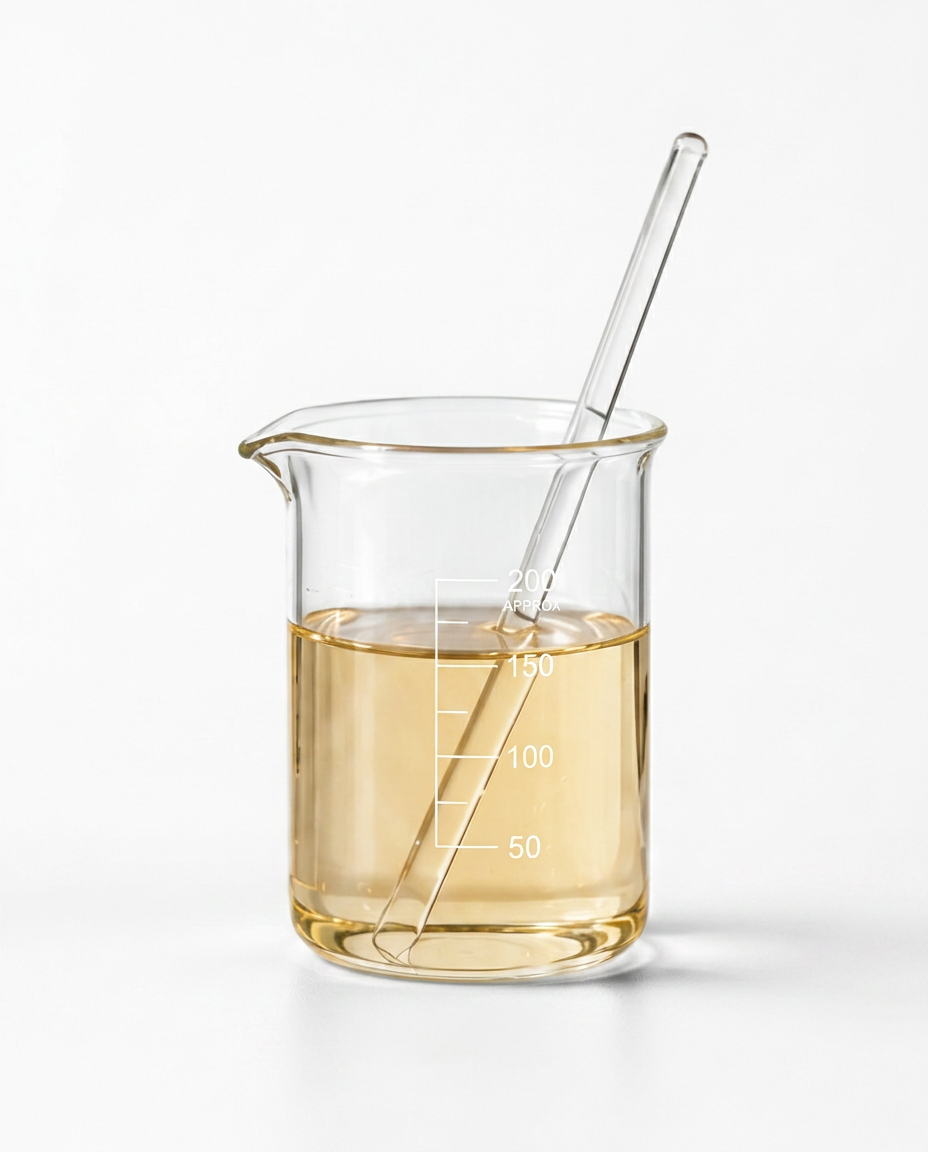
Light yellow viscous liquid
Source
Coconut-derived lauric acid and glycerin from other vegetable oils. Palm-free throughout production.
Recommended use range
Solubiliser: 0.1–1%; main emulsifier: 0.5–3%; co-emulsifier: 0.1–1%; surfactant additive: 2–5%, of the supplied ingredient in the total formula.
Solubility
Water soluble
  • 100% Palm Free

    No palm oil, palm kernel oil or palm-derived raw materials

  • Vegan Suitable

    No animal-derived materials used in manufacturing

  • Non-GMO

    Declared free from genetically modified organisms

  • No Animal Testing

    Declared Not tested on Animals

QUALITY · SOURCING · SAFE HANDLING

Selected for specification.

Ingredient name is the beginning. Specification is the difference.

We select our ingredients for the quality behind the name: the right grade, defined purity or composition, clear origin and consistent specifications.

Our focus is dependable ingredients, supported by clear technical information, that you can formulate with confidence and rely on for repeat production.

Need more information about this ingredient
Formulation & Processing

Processing

For fragrance or essential-oil solubilising, mix the solubiliser and oil first before adding water. Ethanol or propanediol can help improve transparency in suitable formulations.

Compatibility

Solubiliser: 0.1–1%; main emulsifier: 0.5–3%; co-emulsifier: 0.1–1%; surfactant additive: 2–5%, of the supplied ingredient in the total formula.

For solubilising trials, start with a 5:1–10:1 solubiliser-to-oil ratio by weight. At 0.1% oil, this means 0.5–1% Polyglyceryl-10 Laurate. Higher oil loadings can require amounts beyond the stated 0.1–1% solubilising range; confirm suitability before extrapolating. Neither the ratio nor the percentage guarantees clarity or stability.

Validate emulsification, clarity and stability in the complete formula; a suggested main-emulsifier range does not establish suitability for every oil phase.

pH guidance

The documented pH of 5.0-7.5 refers to an aqueous-emulsion measurement of the raw material. It does not establish a validated finished-product pH range. Select the final pH around the complete formulation and confirm compatibility and stability.

Formulation applications

Solubilising · 0.1–1% as supplied; trial solubiliser-to-oil ratio 5:1–10:1 by weight.
Premix with the compatible fragrance or oil-soluble ingredient, then incorporate gradually into the aqueous base. Establish the ratio using your actual fragrance blend and assess clarity after equilibration and during storage.

Emulsion Formulations · Main emulsifier: 0.5–3%; co-emulsifier: 0.1–1%, as supplied.
Use in suitable oil-in-water systems, with supporting emulsifiers and texture-building ingredients where needed. Follow the selected grade’s processing guidance and assess stability after cooling.

Cleansing Formulations · 2–5% as supplied.
Incorporate alongside the other surfactants and assess fragrance incorporation, foam, viscosity, rinsing and after-feel. Select the addition level around the complete cleansing system.

Development concept only. Validate the complete formulation; this is not a complete or tested formula.

Troubleshooting

Poor solubilisation: Increase the solubiliser-to-oil ratio gradually and ensure Polyglyceryl-10 Laurate is thoroughly pre-mixed with the oil or fragrance before incorporation.

Separation or instability: Review the oil load, emulsifier level and overall emulsifier system. Polyglyceryl-10 Laurate may require optimisation or support from other emulsifying ingredients depending on the formulation.

Cloudiness: The required solubiliser level varies with the oil or fragrance being incorporated. Adjust the ratio through small-scale trials and assess finished-product clarity and stability.

Poor incorporation: Review the order of addition, mixing conditions and the selected grade’s processing guidance. Ensure ingredients are evenly incorporated and assess the emulsion after cooling.

Grade & analytical controls

INCI: Polyglyceryl-10 Laurate. CAS number: 34406-66-1. Ionic character: non-ionic.

HLB: 15-16. Water content: ≤1.0%. PEG content: not detected.

Acid value: ≤6.0 mg KOH/g. Saponification value: 40-70 mg KOH/g. Iodine value: ≤5.0 g I₂/100 g. Heavy metals meet specification.

Palm-free sourcing is confirmed throughout production by a written declaration. The lauric acid is coconut-derived and the glycerin comes from other vegetable oils.

Our grade is supported by declarations covering vegan suitability, Non-GMO status, no animal testing and specified allergen exclusions.

Heavy metals meet specification.

Lauric acid from coconut oil and glycerin from other vegetable oils. No palm oil, palm kernel oil or palm-derived materials are used throughout manufacturing.

Storage & shelf life

Store tightly sealed in a cool, dry place away from direct sunlight and heat.

Documented shelf life is 24 months under recommended storage conditions. Follow the applicable expiry or retest date on the product label.

Handling & product safety

Use clean, dry dispensing equipment and reseal promptly to minimise moisture uptake and contamination.

Supplied as a concentrated raw material for incorporation into formulations. Avoid contact with eyes and wear appropriate protective clothing, gloves and eye protection. Refer to the SDS for safe handling, storage and first-aid guidance.

For formulation use only. Avoid direct contact with eyes. Use appropriate handling practices when working with cosmetic raw materials. Keep out of reach of children.

Raw-material information does not establish the safety of the finished product. Assess the complete formulation for safety, stability, preservation and suitability for its intended use.

Documentation
Shipping & supply

Shipping charges and delivery options are confirmed at checkout. For supply quantities beyond the listed packs, contact JNA with your requirements.

View shipping information ↗
Need more information about this ingredient

Formulator Support

FAQ - Polyglyceryl-10 Laurate

Formulator FAQ

What makes JNA’s Polyglyceryl-10 Laurate a strong formulation choice?

Our grade combines PEG-free functionality with confirmed palm-free plant sourcing, coconut-derived lauric acid and vegetable-derived glycerin. Its low-water specification of ≤1.0% gives you greater control over the water contributed by the ingredient. An HLB specification of 15-16 identifies its hydrophilic character, while defined acid, saponification and iodine values provide measurable quality benchmarks for repeat ingredient selection.

What is the difference between using it as a solubiliser and an emulsifier?

As a solubiliser, Polyglyceryl-10 Laurate helps incorporate small quantities of compatible oil-soluble ingredients, such as fragrance, into an aqueous base. As an emulsifier, it helps oil and water form a dispersed system, such as a lotion. These applications require different formulation approaches: solubilising focuses on the oil-to-solubiliser balance and desired clarity, while emulsification also depends on the oil phase, supporting ingredients, processing and long-term stability.

Supplier-recommended levels in the total formula are 0.1–1% for solubilising, 0.5–3% as a main emulsifier and 0.1–1% as a co-emulsifier.

Can it create clear fragrance or essential-oil formulations?

It can help incorporate compatible fragrances and essential oils into water-based products, but complete clarity is not guaranteed. The result depends on the oil’s composition, its concentration, the solubiliser-to-oil ratio and the other ingredients present. Test your actual fragrance blend and assess clarity after equilibration and throughout storage. Changing the fragrance may require a different ratio even when its percentage remains unchanged.

For initial trials, use a 5:1–10:1 solubiliser-to-oil ratio by weight and premix the two before adding water. At 0.1% oil, this requires 0.5–1% solubiliser. Higher oil loads can exceed the stated solubilising range; confirm suitability rather than extrapolating automatically. Ethanol or propanediol may help improve transparency in suitable systems.

Can it replace Polysorbate 20 or PEG-40 Hydrogenated Castor Oil?

Polyglyceryl-10 Laurate is worth considering when developing a PEG-free solubilising system, but it is not a direct gram-for-gram replacement. Each solubiliser interacts differently with fragrances, essential oils and the surrounding formula. Compare small trials using the same oil load, then evaluate clarity, separation, foam and skin feel before selecting the most suitable level.

Can it be the only emulsifier in a cream or lotion?

It can function as a primary emulsifier in suitable oil-in-water formulations, although the complete system determines whether it needs support. Oil type, oil-phase percentage, desired viscosity and other ingredients all influence the result. A complementary emulsifier, fatty alcohol or rheology modifier may help develop the required texture and stability. Its HLB value is a useful selection guide, but it does not establish how much oil a formula can reliably hold.

The supplier recommends 0.5–3% for main-emulsifier use and 0.1–1% for co-emulsifier use. These ranges do not establish suitability for every oil phase.

What does it contribute to facial cleansers, body washes and shampoos?

Polyglyceryl-10 Laurate can provide complementary non-ionic surfactant functionality and help incorporate compatible oil-soluble ingredients into cleansing systems. It offers another way to balance cleansing performance, fragrance incorporation and the overall formulation design. Assess its effect on foam, viscosity, rinsing and after-feel alongside the other surfactants, as its contribution will vary with the blend and use level.

The supplier’s recommended surfactant-additive range is 2–5% of the total formulation, using the ingredient as supplied.

Ingredient shortlist

Your shortlist is empty. Bookmark ingredients to keep them here while you shop.