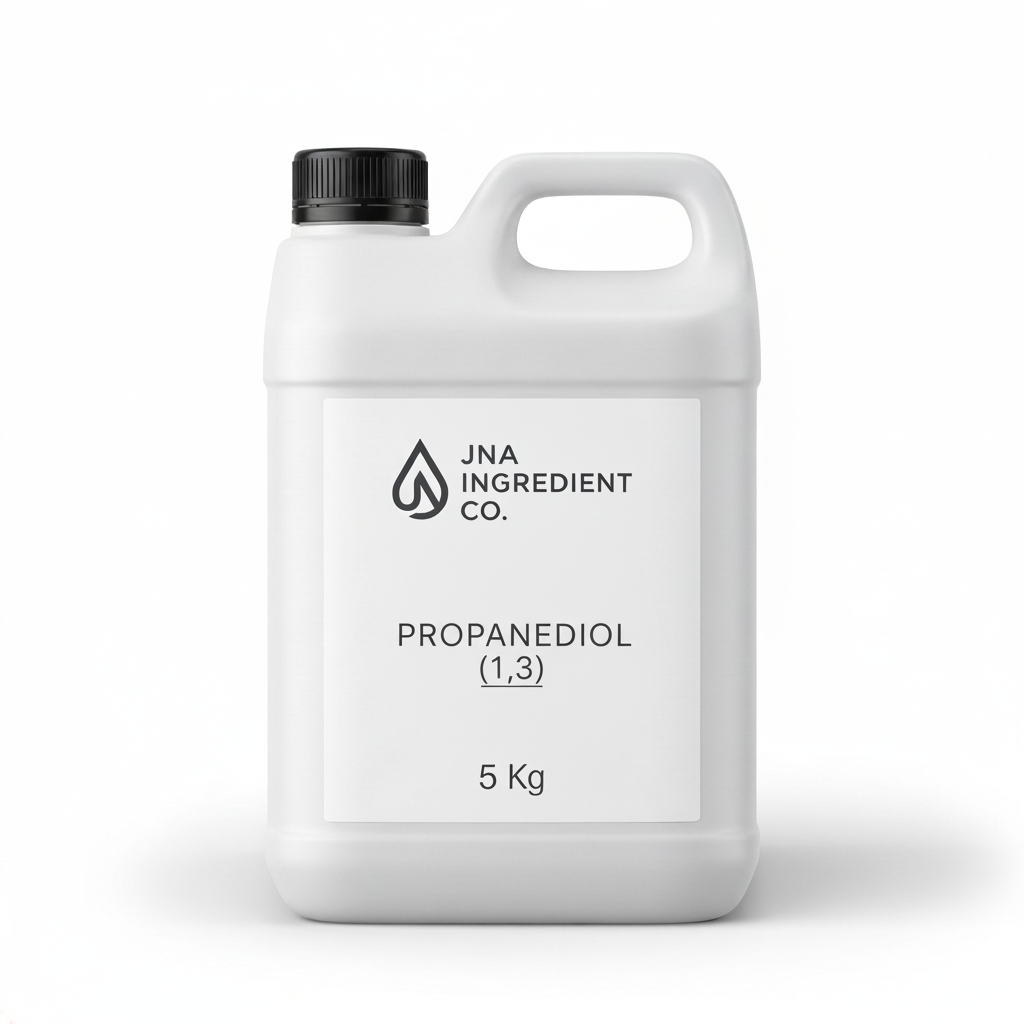


Propanediol (1.3)
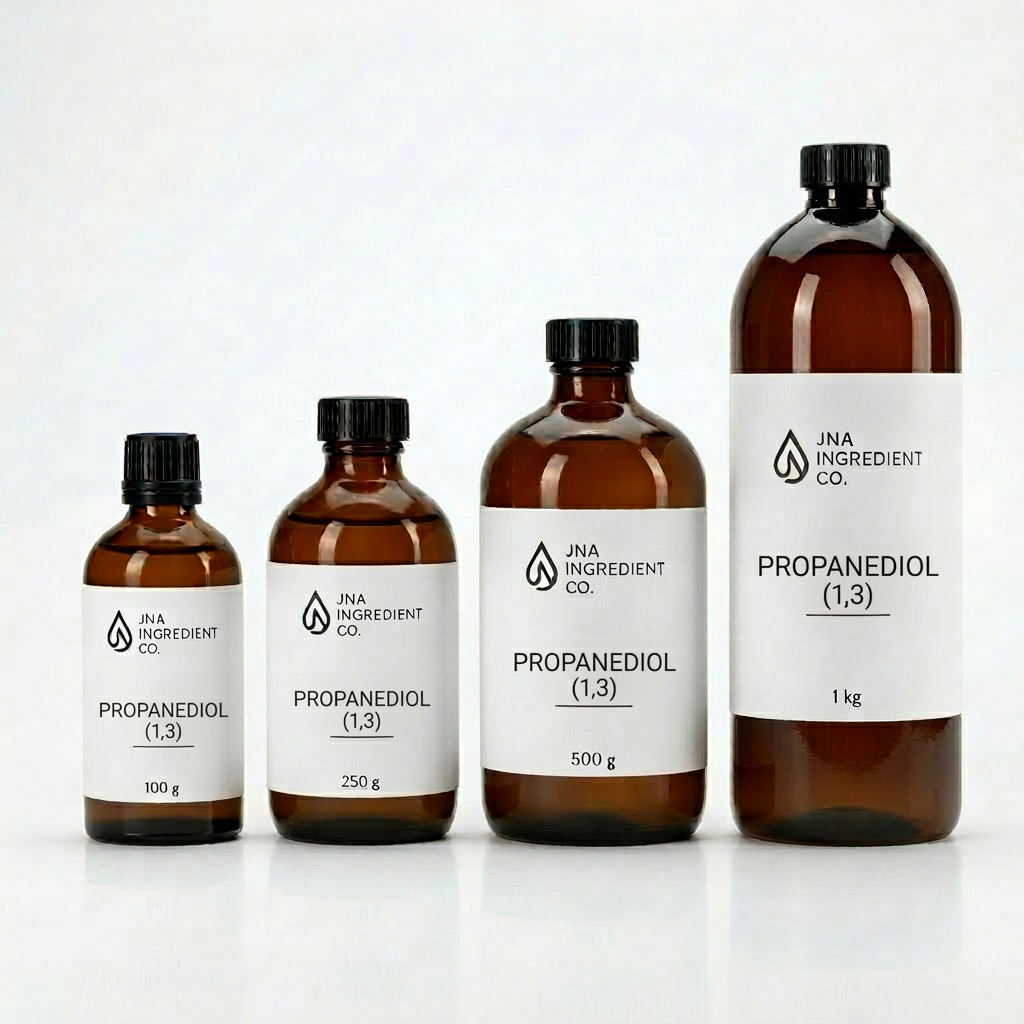
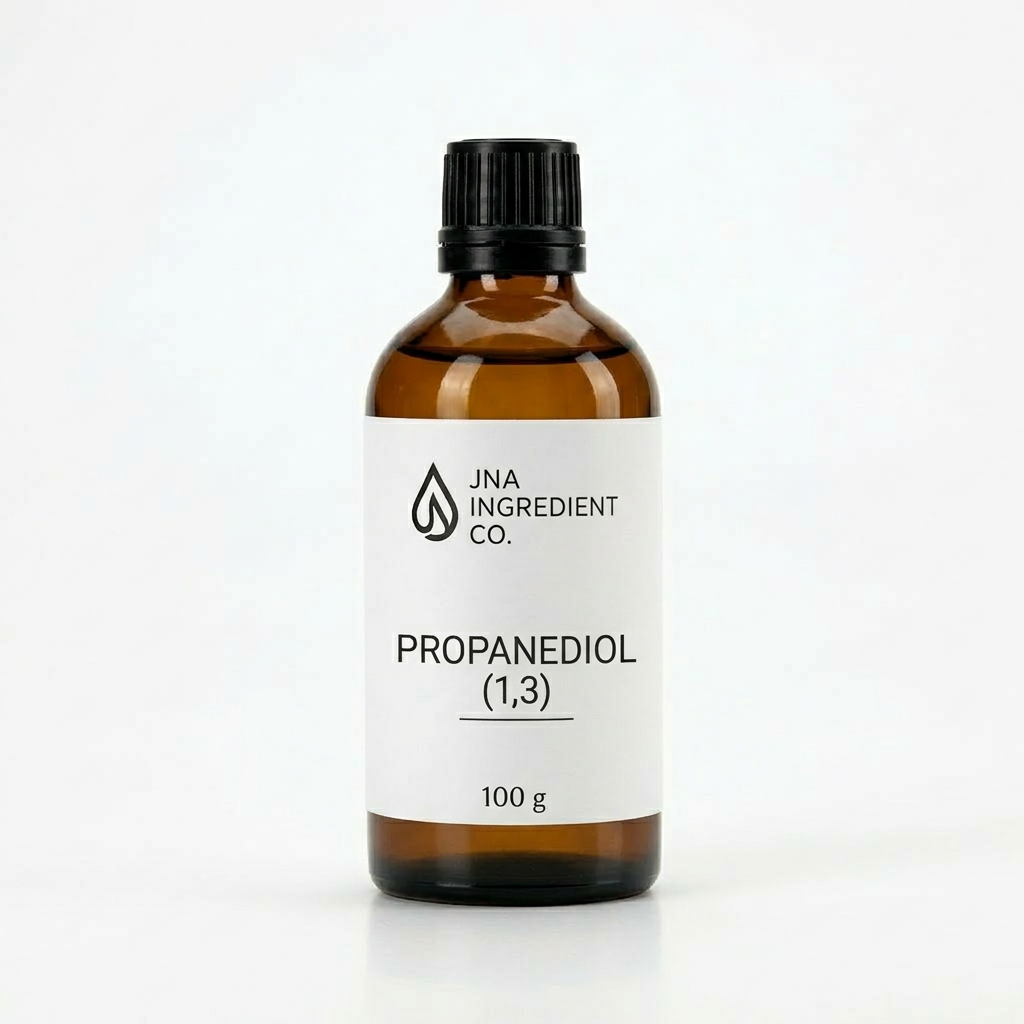
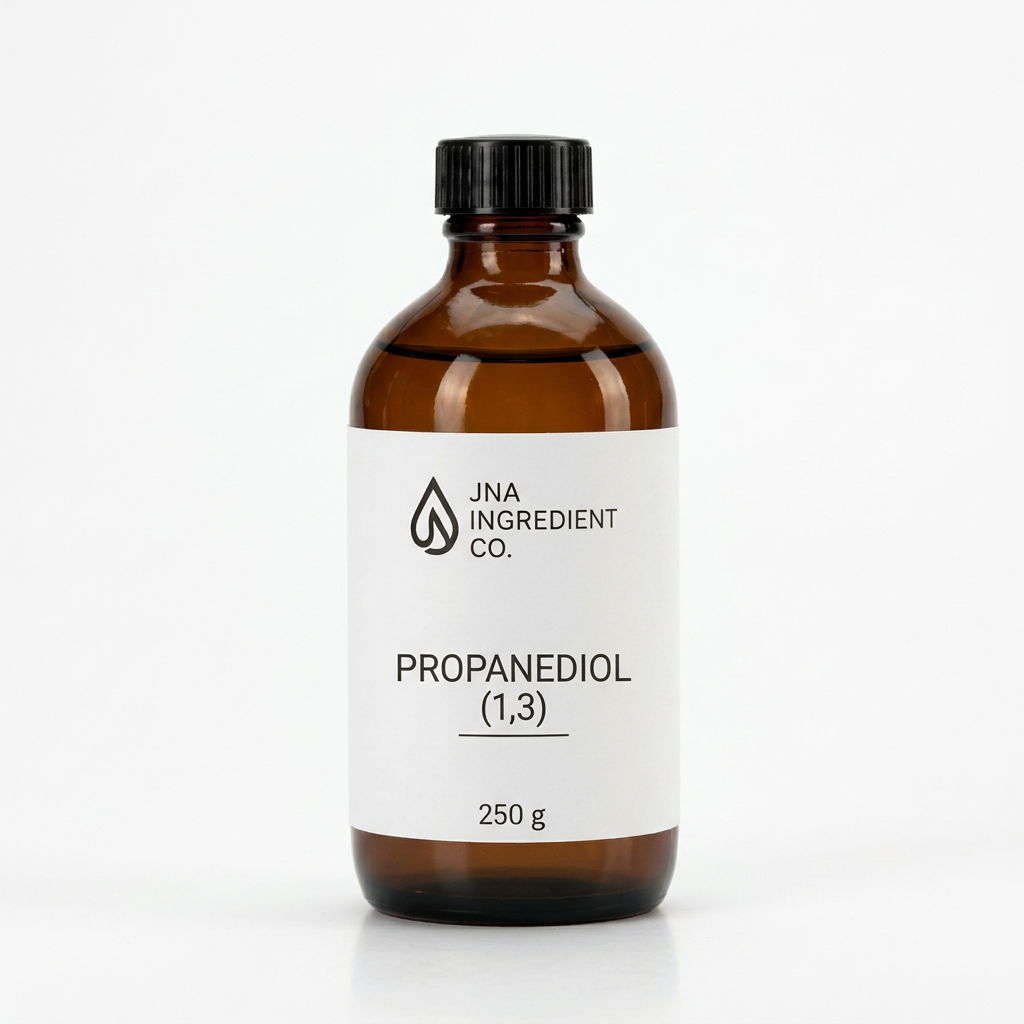
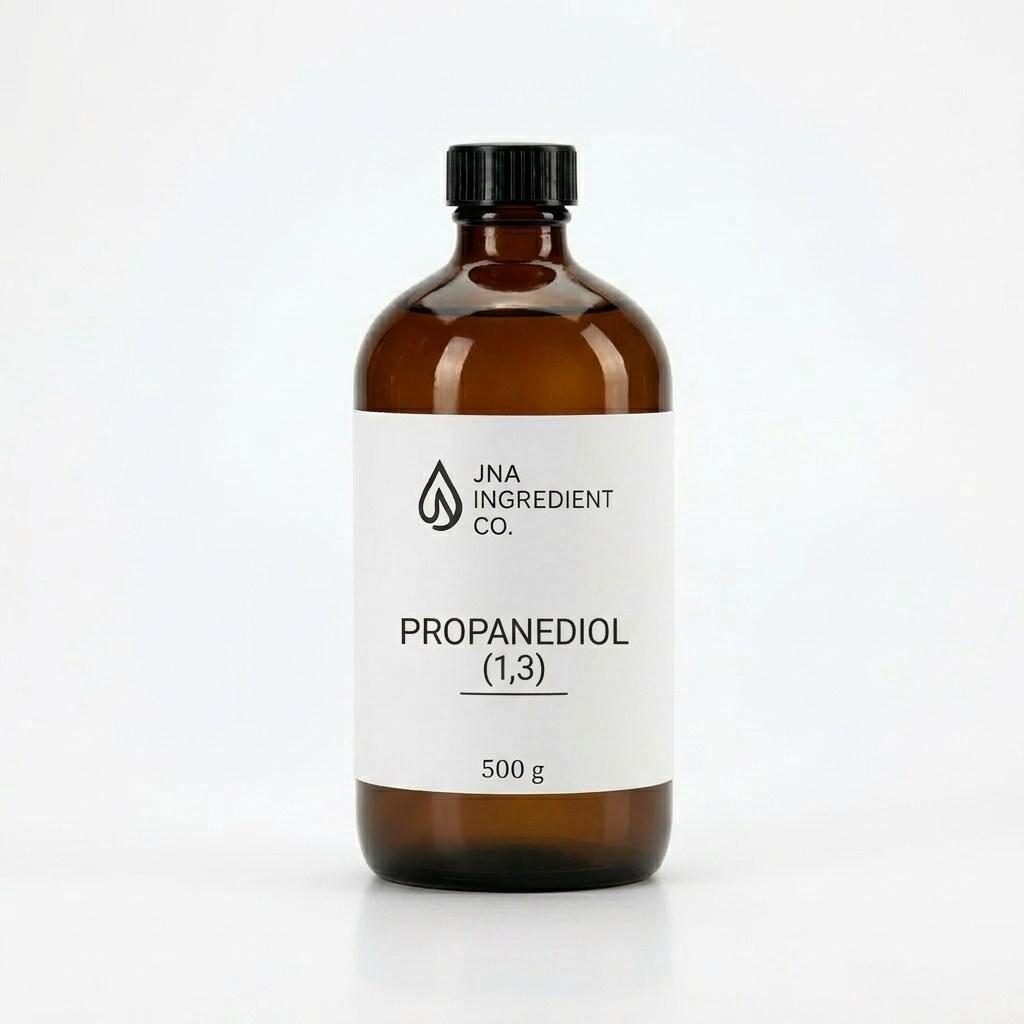
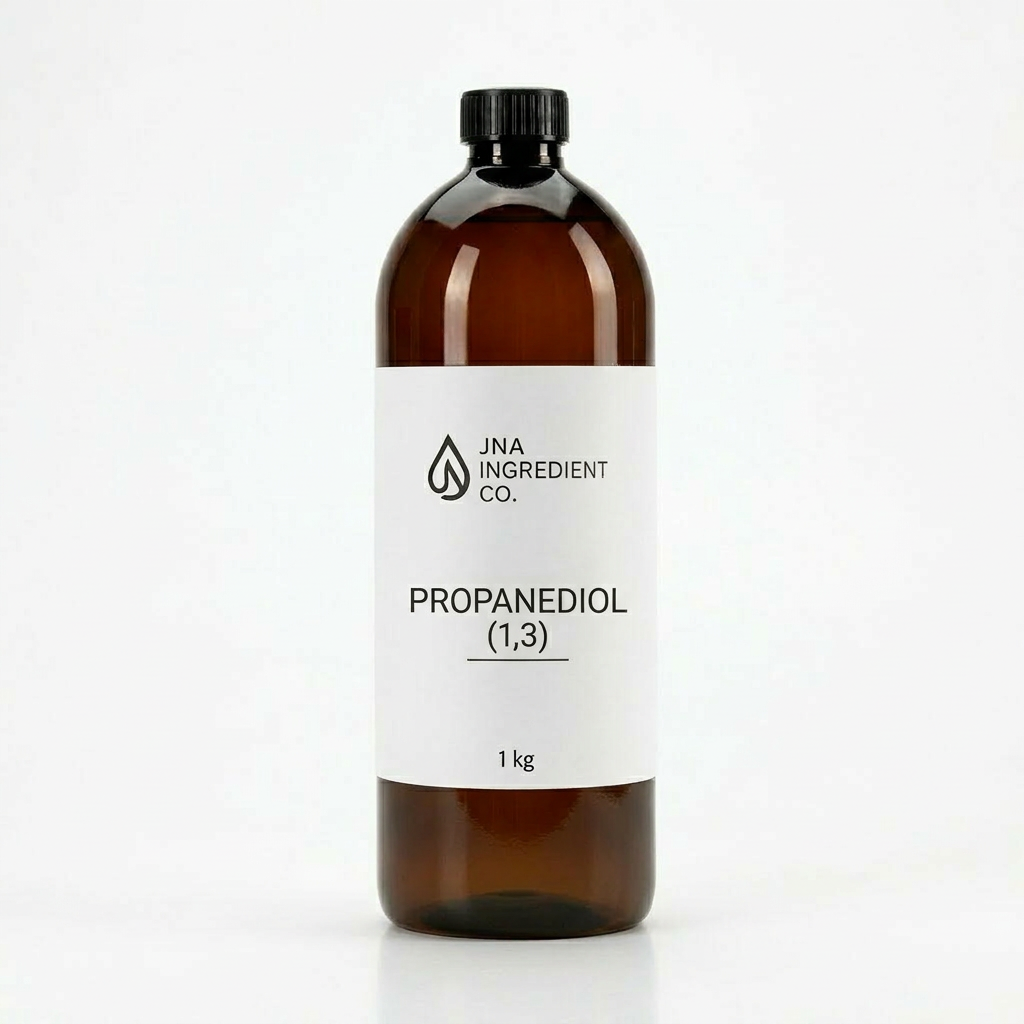
Sold by weight (g or Kg) for formulation accuracy. Reference only: 250 g ≈ 240 mL (at 20°C).

Choose options


Quick specs
Humectant
Improves skin feel
Preservative booster
INGREDIENT OVERVIEW
Propanediol (1.3)
Propanediol (1,3) is a high-purity, fermentation-derived humectant and multifunctional solvent produced from renewable corn. Cosmetic grade and USP compliant, it helps support hydration, improve skin feel, reduce tack, and enhance the performance of cosmetic formulations. It is widely used in serums, toners, gels, lotions, cleansers and other water-based systems where a lightweight, elegant sensory profile is desired.
QUALITY & SOURCING
Our Propanediol (1,3) is manufactured through fermentation using renewable corn as the feedstock. It is supplied as a cosmetic-grade ingredient with a typical assay of 99.96% and complies with USP specifications. Each batch is quality tested and supplied with supporting technical documentation.
- Fermentation-derived from renewable corn
- Cosmetic grade
- Meets USP cosmetic standards
- High purity (99.96% assay, batch verified)
- Clean microbial and heavy metal profile (COA compliant)
- Manufactured to consistent quality standards
KEY SPECIFICATIONS
- Ingredient: Propanediol (1,3)
- INCI: Propanediol
- CAS: 504-63-2
- Solubility: Water soluble
- Typical use level:
- Leave-on: 1–5%
- Rinse-off: 1–3%
- Often used to reduce tack in glycerin-based systems
- Starter: 2–3% for most cosmetic formulations.
FORMULATION NOTES
Processing notes
Add to the water phase with mixing until uniform. Suitable for cold-process and heated systems.
Compatibility notes
- Compatible with most cosmetic ingredients
- Works well in humectant systems with glycerin or pentylene glycol
- Supports even distribution of actives
pH notes
Stable across typical cosmetic pH ranges (approx. 4–8).
Formulation examples
Hydrating toner or mist
- Propanediol: 2–4%
- Primary humectant (e.g. glycerin): 2–3%
- Actives as required
- Preserved aqueous base to 100%
Improves hydration while maintaining a lightweight, low-tack skin feel.
Serum or gel system
- Propanediol: 2–5%
- Complementary humectants as required
- Polymer thickener: as required
- Neutralise and preserve appropriately
Supports hydration, improves slip, and enhances overall sensory balance.
Cream or lotion (emulsion)
- Propanediol: 2–4% (water phase)
- Emollients and emulsifier system as required
- Preserved to finished formula
Contributes hydration and improves spreadability in face and body emulsions.
Troubleshooting
- Too thin → adjust thickener system
- Too light hydration → combine with glycerin or sodium lactate
- Balance issues → adjust humectant blend
COMPARISON & ALTERNATIVES
Compared with Glycerin: Propanediol provides a lighter skin feel with less tack while still supporting hydration.
Compared with Pentylene Glycol: Both function as humectants and solvents. Pentylene Glycol also contributes preservative-boosting properties in some systems.
Compared with Sodium PCA: Sodium PCA provides stronger humectancy at lower use levels, while Propanediol improves skin feel and assists with solvent performance.
SENSORY PROFILE
Propanediol contributes a lightweight, smooth skin feel with reduced tack compared to glycerin at comparable use levels. It is commonly used to refine humectant systems, improving slip and overall sensory profile. Sensory outcome is formulation-dependent; bench testing is recommended.
STORAGE & HANDLING
- Store in a cool, dry place away from direct sunlight
- Keep container sealed
- Shelf life: 2 years when properly stored
PRODUCT SAFETY
Low irritation potential. Suitable for leave-on and rinse-off systems when used within recommended levels.
DOCUMENTATION
- Cosmetic grade
- Assay: 99.96%
- Loss on drying: 0.53% H
- Heavy metals: compliant
- Microbial limits: compliant
- USP standard compliant
- COA and SDS available
Often paired with this ingredient
Explore a curated edit of key ingredients.
Learn more
Formulate with Confidence
Practical ingredient education and formulation guidance to help you choose, use and combine cosmetic ingredients with clarity.
Read All ArticlesIngredient Knowledge
Ingredient Spotlight: Glycerin – Why It Remains a Formulation Essential
Ingredient Knowledge
Ingredient Spotlight: Squalane – Why It's One of Skincare's Most Loved Oils
Ingredient Knowledge
Understanding Cosmetic Actives in Formulation
Ingredient Knowledge
Understanding Humectants in Cosmetic Formulations
Formulation Systems
Beginner Guide to Cosmetic Formulation: Building a Complete System
Formulation Systems
Understanding Thickeners & Gelling Agents in Cosmetic Formulation
Beginner Formulation
Why Glycerin Still Matters
Article
What Does Panthenol Do in Skincare
Join the JNA Community
Get practical formulation tips, launches & ingredient updates.