Skip to content

Cart

Your cart is empty

Ingredients designed for stable emulsions, texture, and skin feel

Creams & Lotions

Ingredients designed for stable emulsions, texture, and skin feel

Emulsion systems combine oil and water phases to deliver hydration, nourishment, and actives in a stable and cosmetically elegant format.

This collection includes emulsifiers, co-emulsifiers, and structuring agents selected to support stability, texture, and compatibility across a range of formulations.

WHERE THESE SYSTEMS ARE USED
Creams

Creams

Structured, richer emulsions with higher oil phase.

Glyceryl Stearate Citrate, Cetearyl Alcohol, Caprylic/Capric Triglyceride

Lotions

Lotions

Lightweight emulsions with balanced hydration and spreadability.

Glyceryl Stearate Citrate, Cetyl Alcohol, Propanediol

Oils

Oils

Anhydrous systems focused on nourishment and skin condition.

Squalane, Jojoba Oil, Caprylic/Capric Triglyceride

Balms & Anhydrous Sytems

Balms & Anhydrous Sytems

Water-free systems focused on protection, nourishment and occulusion.

Cetearyl Alcohol, Caprylic/Capric Triglyceride, Vitamin E (Tocopherol)

KEY INGREDIENT TYPES
Emulsifiers

Emulsifiers

Enable stable oil and water blending in creams and lotions.

Emollients

Emollients

Provide softness, glide and skin conditioning.

Fatty Alcohols

Fatty Alcohols

Add structure, thickness and improve texture

Oil Phase Components

Oil Phase Components

Support nourishment, occlusion and formulation richness.

How to Build a Cream System

A practical approach to building stable creams, lotions and oil-based systems.

1
Start with a water phase and oil phase design.
2
Add a primary emulsifier to stabilise the system.
Recommended ingredients
3
Build structure using fatty alcohols or thickeners.
Recommended ingredients
4
Add emollients and oils for skin feel and performance.
Recommended ingredients
5
Balance preservation, ph and viscosity.
Recommended ingredients
FORMULATON PATHWAYS

EXAMPLE FORMULATIONS

A Cream (rich emulsion) +

A higher oil-phase emulsion designed for nourishment, structure and lasting skin comfort.

B Lotion (light emulsion) +

A higher oil-phase emulsion designed for nourishment, structure and lasting skin comfort.

C Facial Oil +

An anhydrous blend focused on conditioning, glide and skin softness.

D Gel moisturiser +

A light emulsion combining water-based freshness with soft structural support.

.

Sort by

Filters

Explore ingredients in this category.
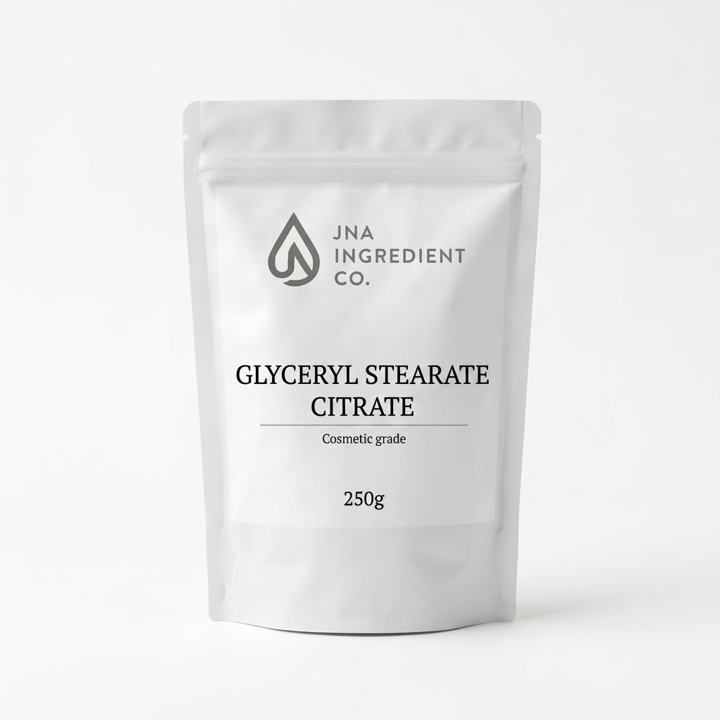
Glyceryl Stearate Citrate Sale price 100 g From $9.95
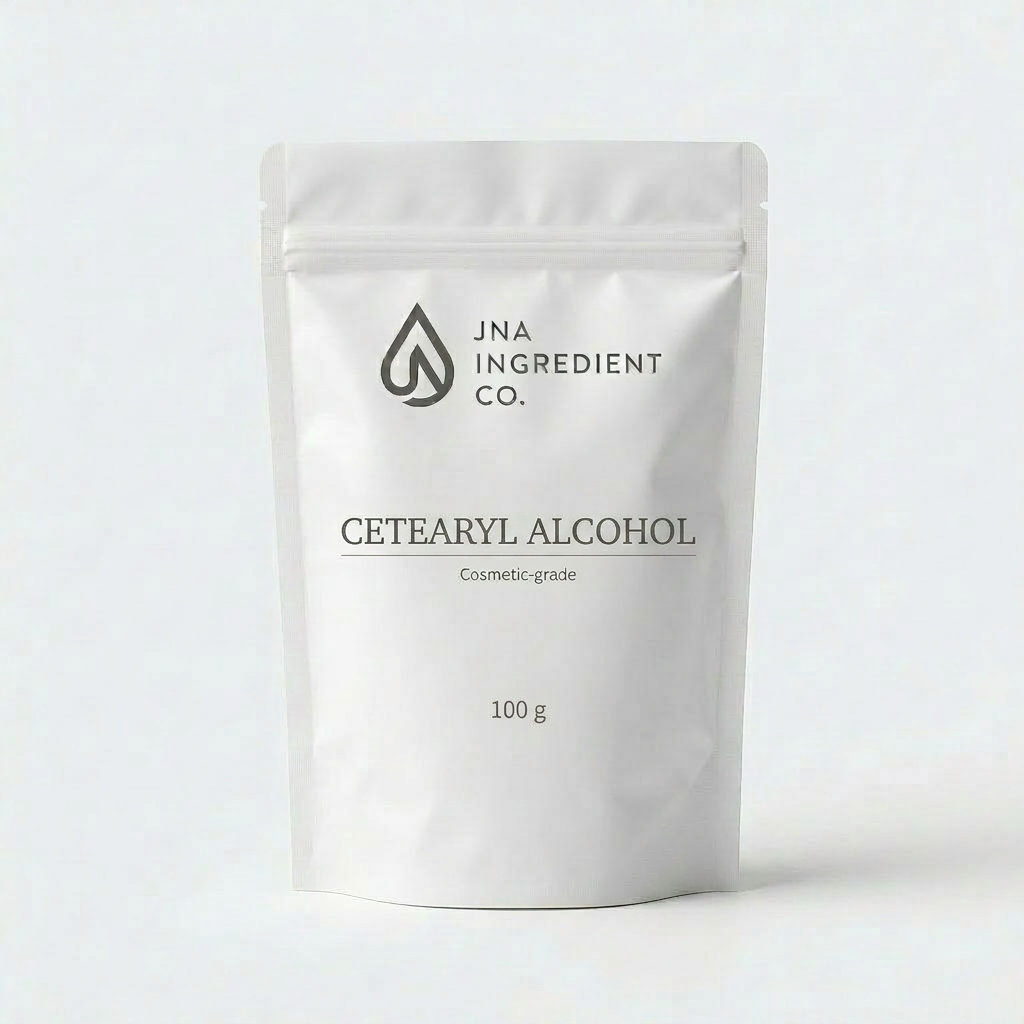
Cetearyl Alcohol Flakes
Cetearyl Alcohol Flakes Sale price 100 g From $6.95
Cetyl Alcohol
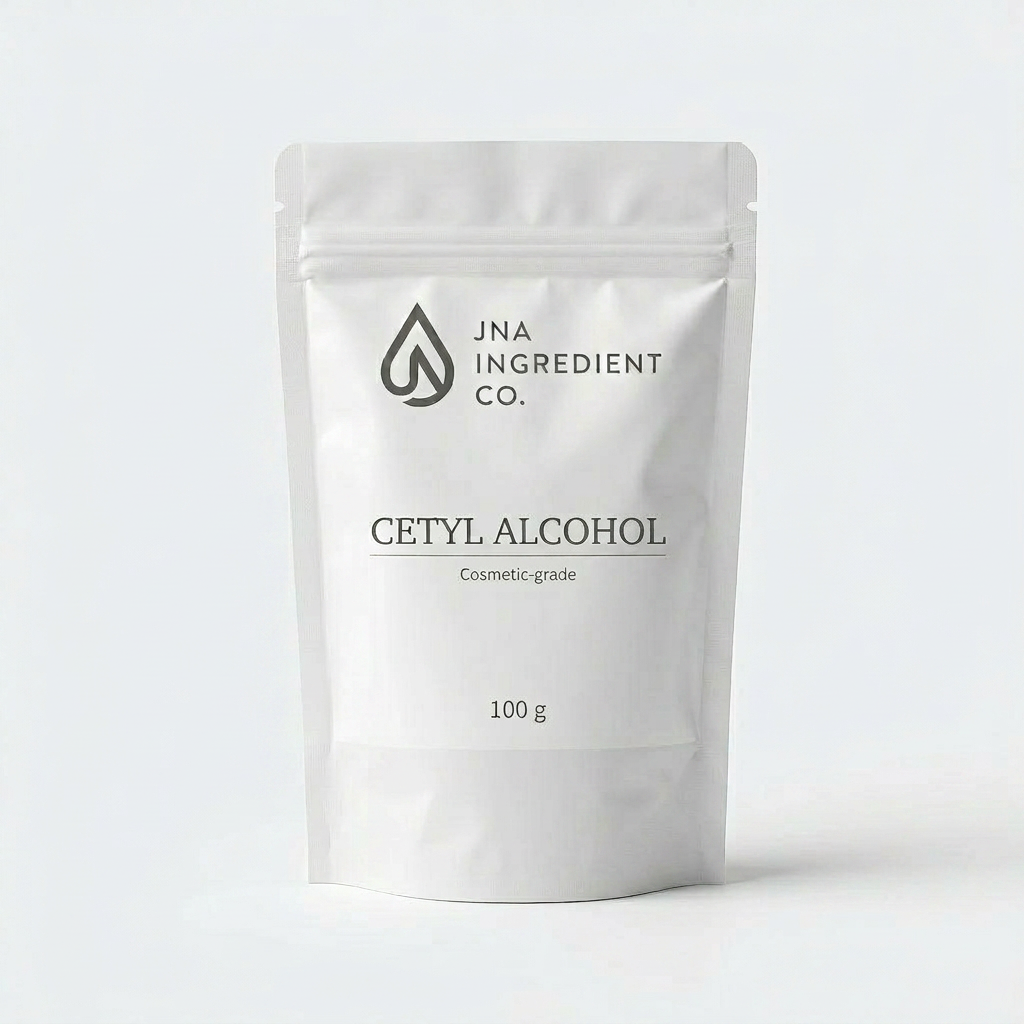
Cetyl Alcohol Sale price 100 g From $9.95
Caprylic/Capric Triglycerides (MCT Oil)
Caprylic/Capric Triglycerides (MCT Oil) Sale price 100 g From $12.95
Olive Squalane Sale price 50 g From $16.95
Jojoba Oil (Refined)
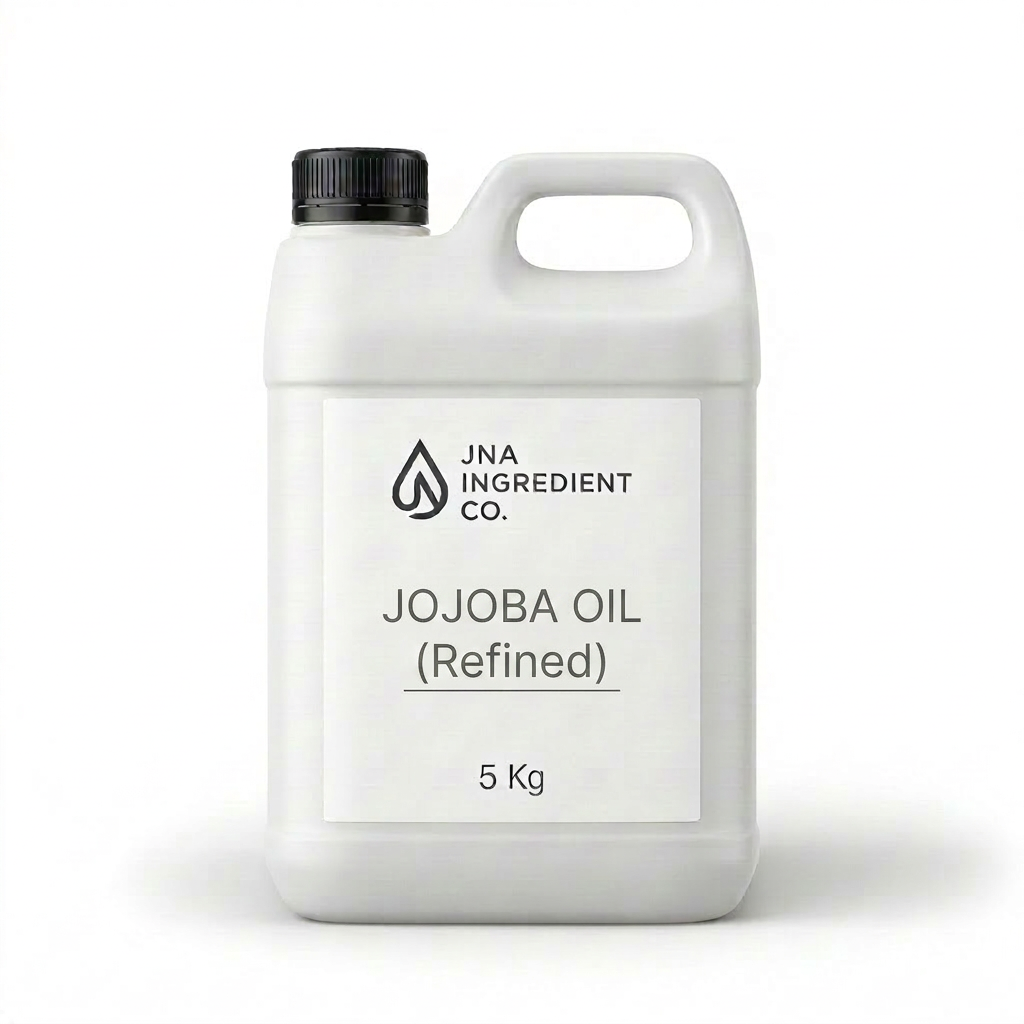
Jojoba Oil (Refined) Sale price 100 g From $15.95
Sweet Almond Oil
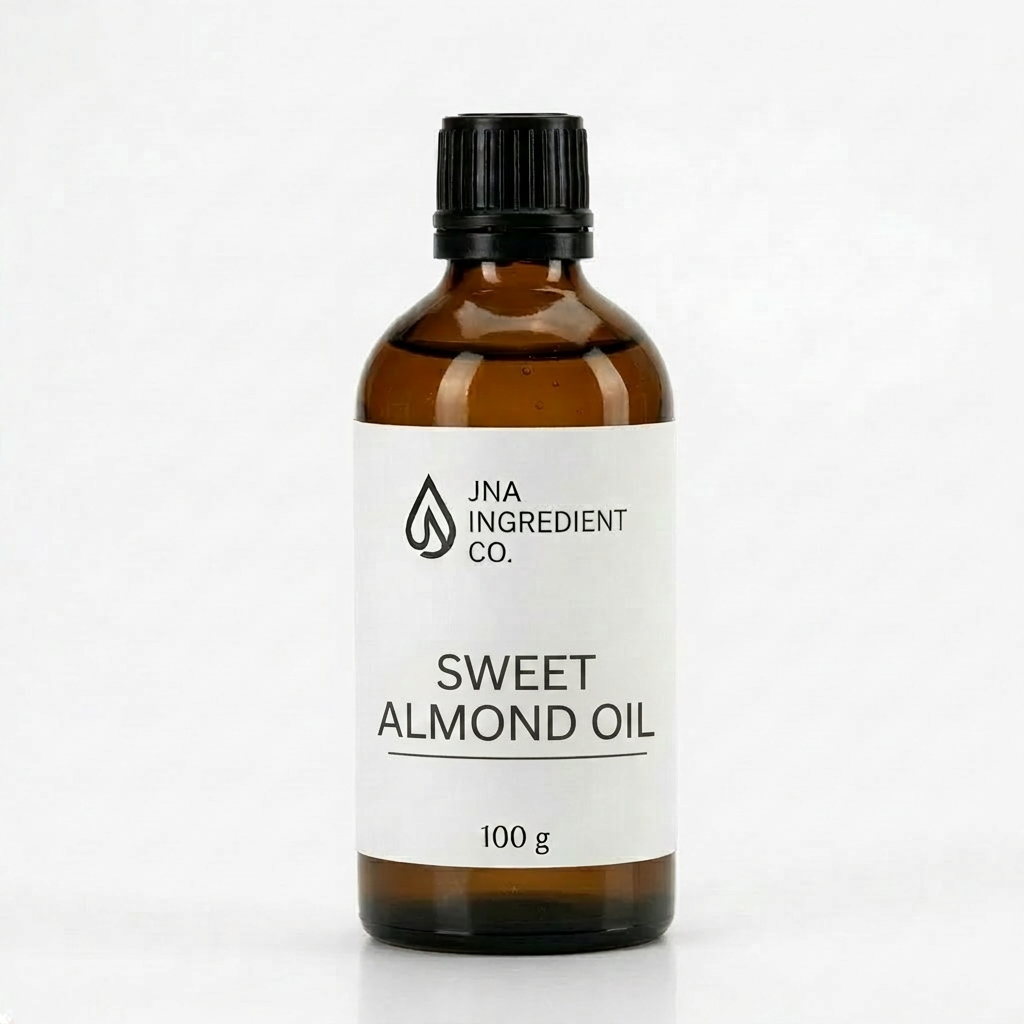
Sweet Almond Oil Sale price 100 g From $12.95
Sunflower Oil (High Oleic)
Sunflower Oil (High Oleic) Sale price 100 g From $7.95
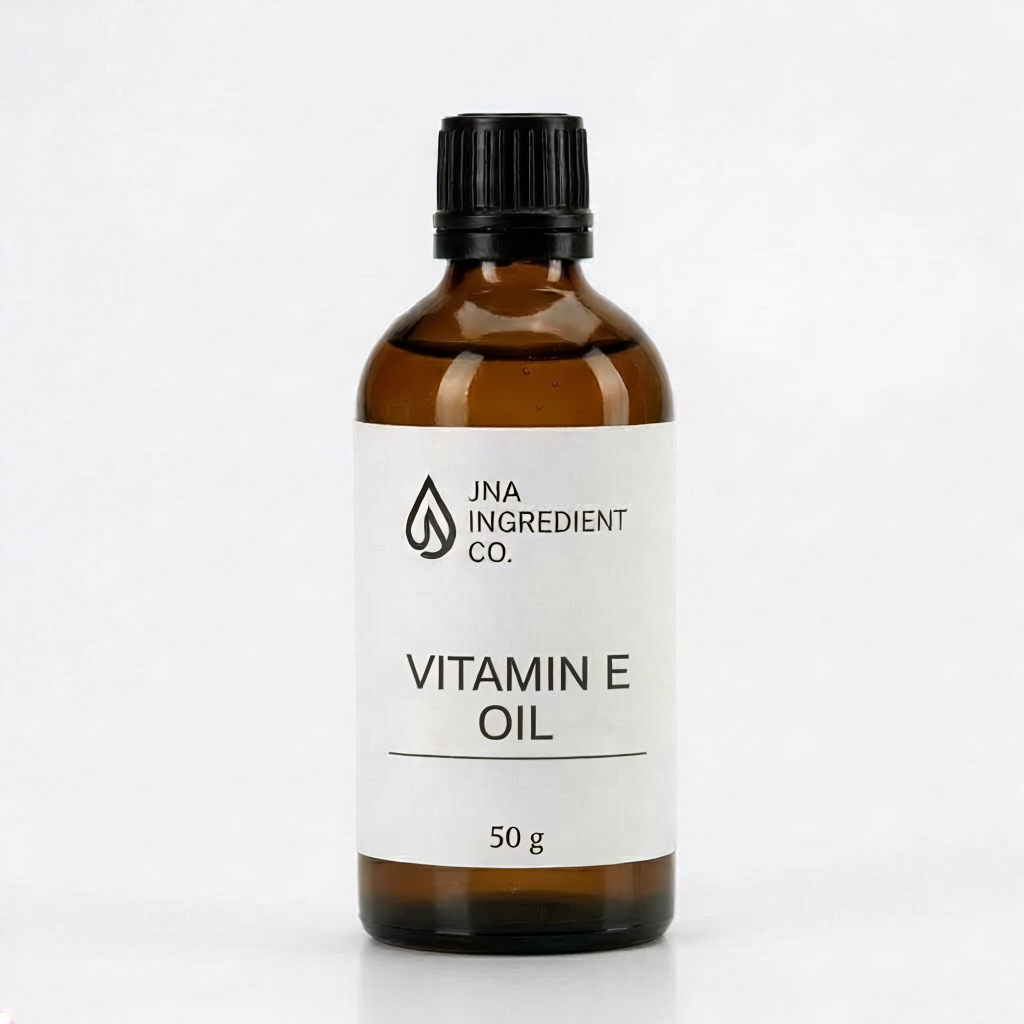
Vitamin E Oil (Tocopherol)
Vitamin E Oil (Tocopherol) Sale price 50 g From $13.95
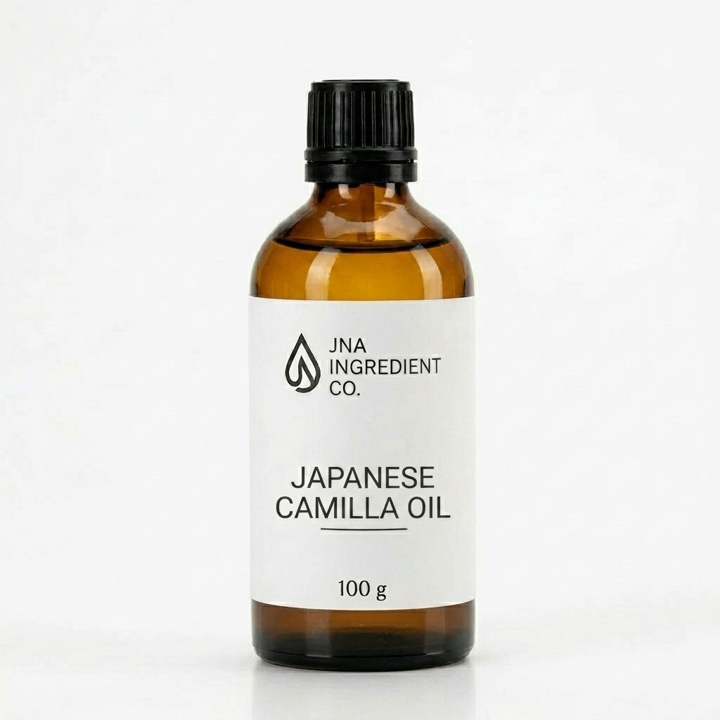
Japanese Camellia Oil
Japanese Camellia Oil Sale price 100 g From $18.95
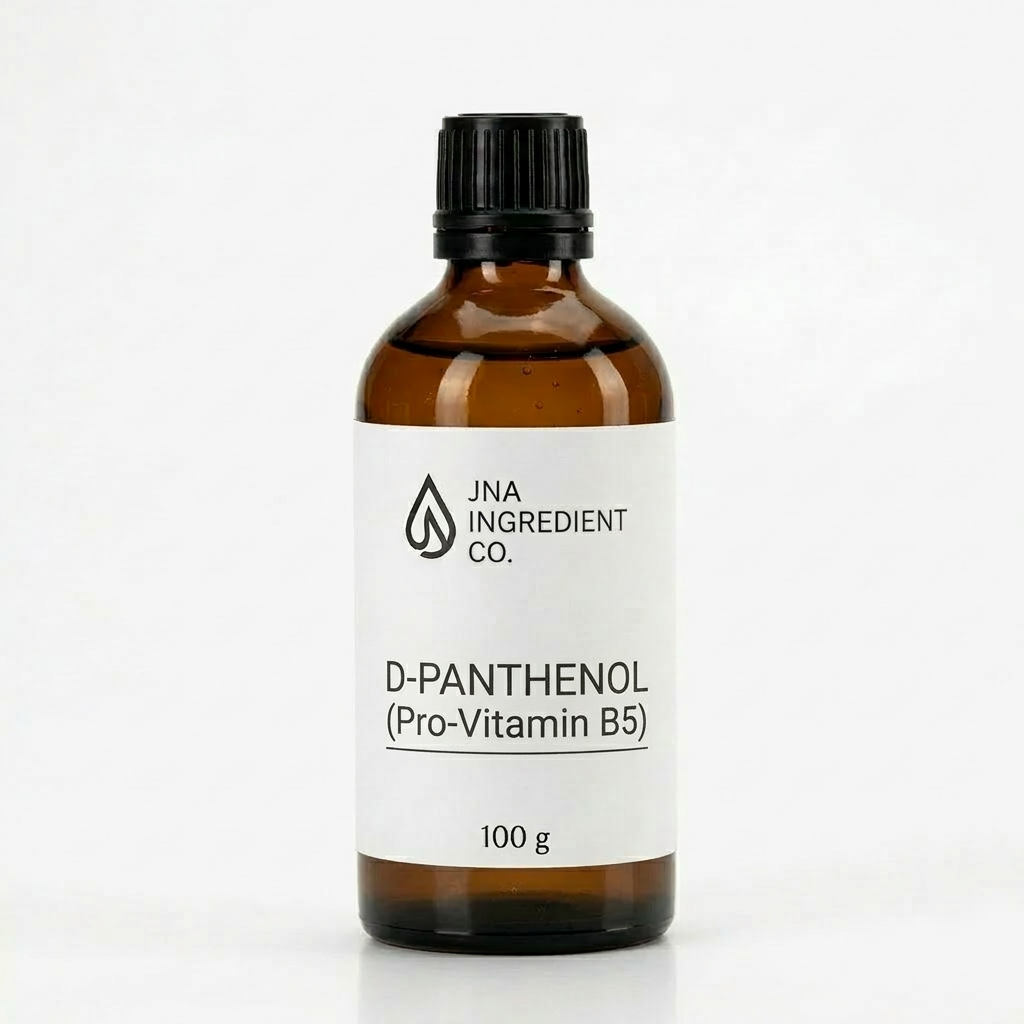
D-Panthenol (Pro-Vitamin B5) Sale price 100 g From $21.95
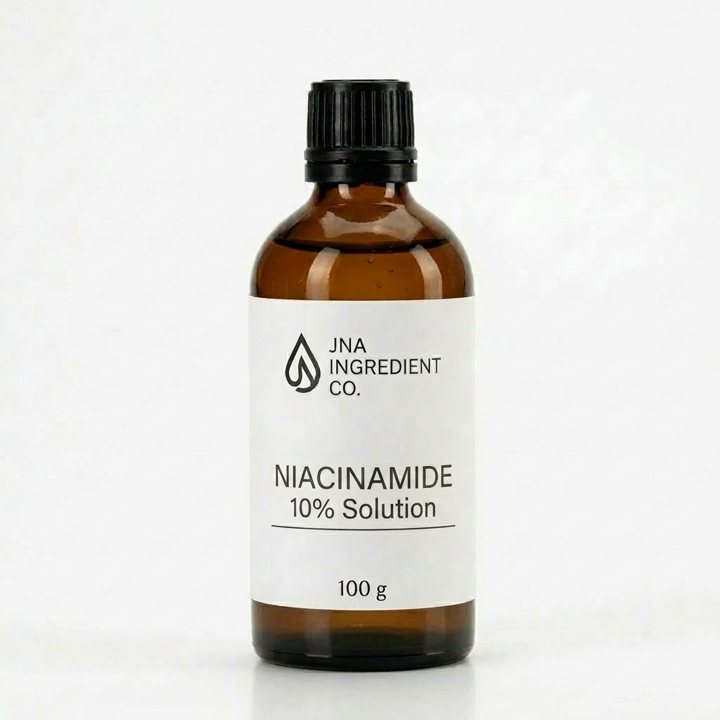
Niacinamide 10% Solution
Niacinamide 10% Solution Sale price 100 g From $10.95
Niacinamide Powder Sale price 50 g From $11.95
Panthenol 10% Solution
Panthenol 10% Solution Sale price 100 g From $10.95
Refatting Agent (PO65 Type) Sale price 100 g From $16.95

Frequently asked questions

Frequently asked questions

Practical answers to common questions about this formulation goal.

What is the difference between a cream and a lotion?

Creams typically contain a higher oil phase, resulting in a richer texture and more occlusive finish. Lotions are lighter emulsions with lower oil content, designed for
easier spreadability and faster absorption.

What ingredients are needed to create a stable emulsion?

A stable emulsion requires an emulsifier to combine oil and water phases, along with supporting ingredients such as fatty alcohols and appropriate preservation. The balance
between phases and structure is key to long-term stability.

How do emulsifiers work in formulations?

Emulsifiers reduce the surface tension between oil and water, allowing them to form a stable, uniform system. This enables consistent texture, performance and product
stability.

What controls the texture of creams and lotions?

Texture is influenced by the ratio of oil to water, the choice of emulsifier, and the use
of structuring agents such as fatty alcohols. Small adjustments can significantly change thickness, spreadability and skin feel.

What oils are best for lightweight vs rich formulations?

Lightweight formulations typically use fast-absorbing emollients such as caprylic/capric
triglyceride or squalane, while richer systems may incorporate heavier oils to increase occlusion and nourishment.

How do you make a cream or lotion?

A cream or lotion is made by combining separate oil and water phases using an
emulsifier, then adjusting structure, preservation and pH to create a stable and usable formulation.

READY TO FORMULATE WITH CONFIDENCE?

Explore our range of premium
ingredients, selected for real results.