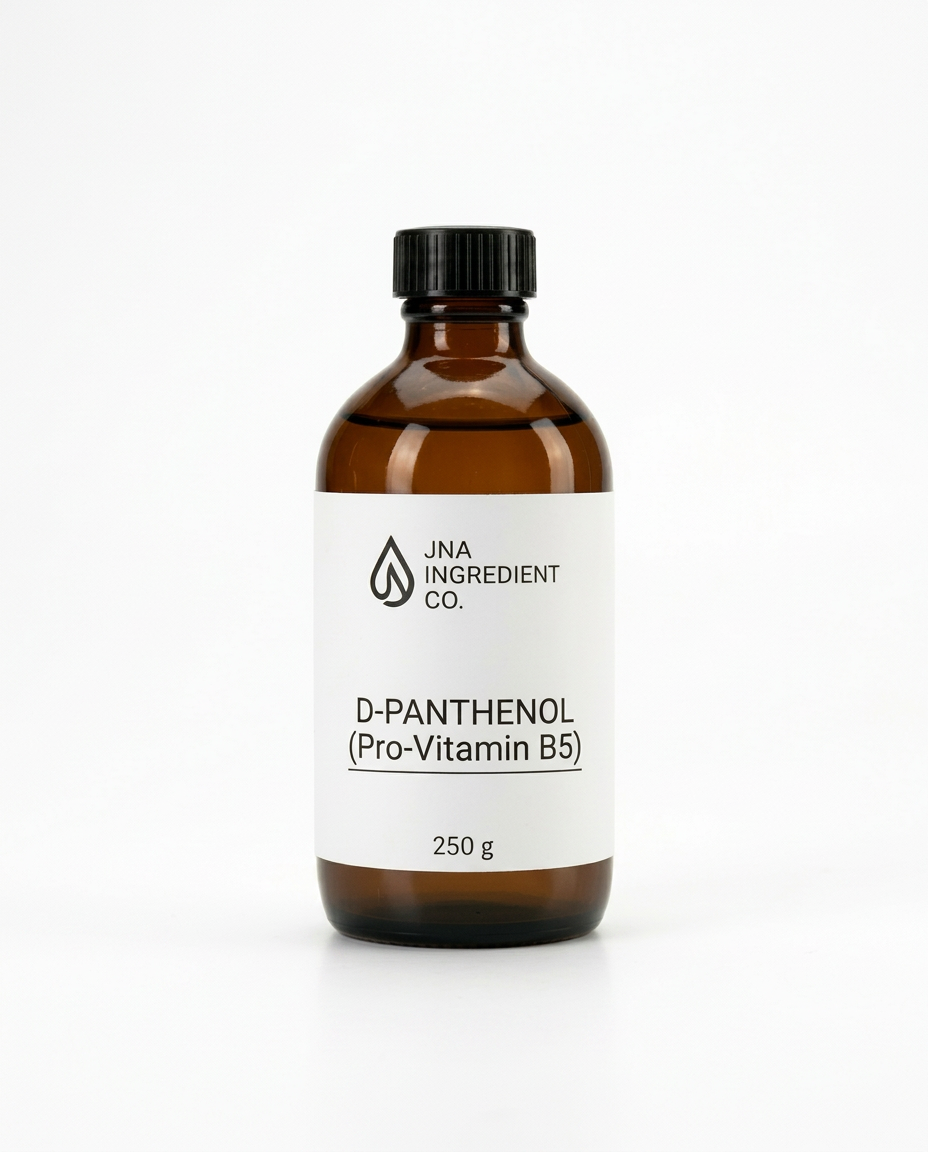
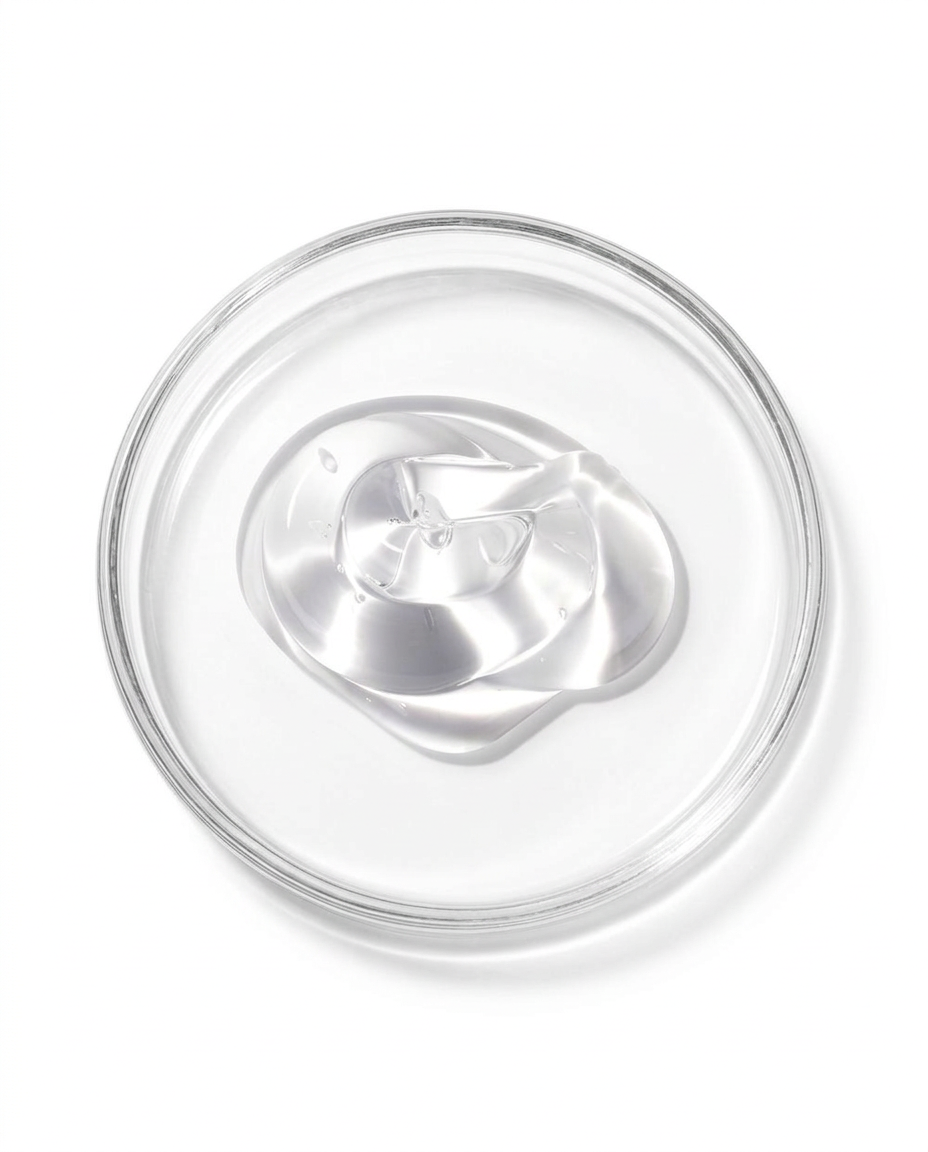
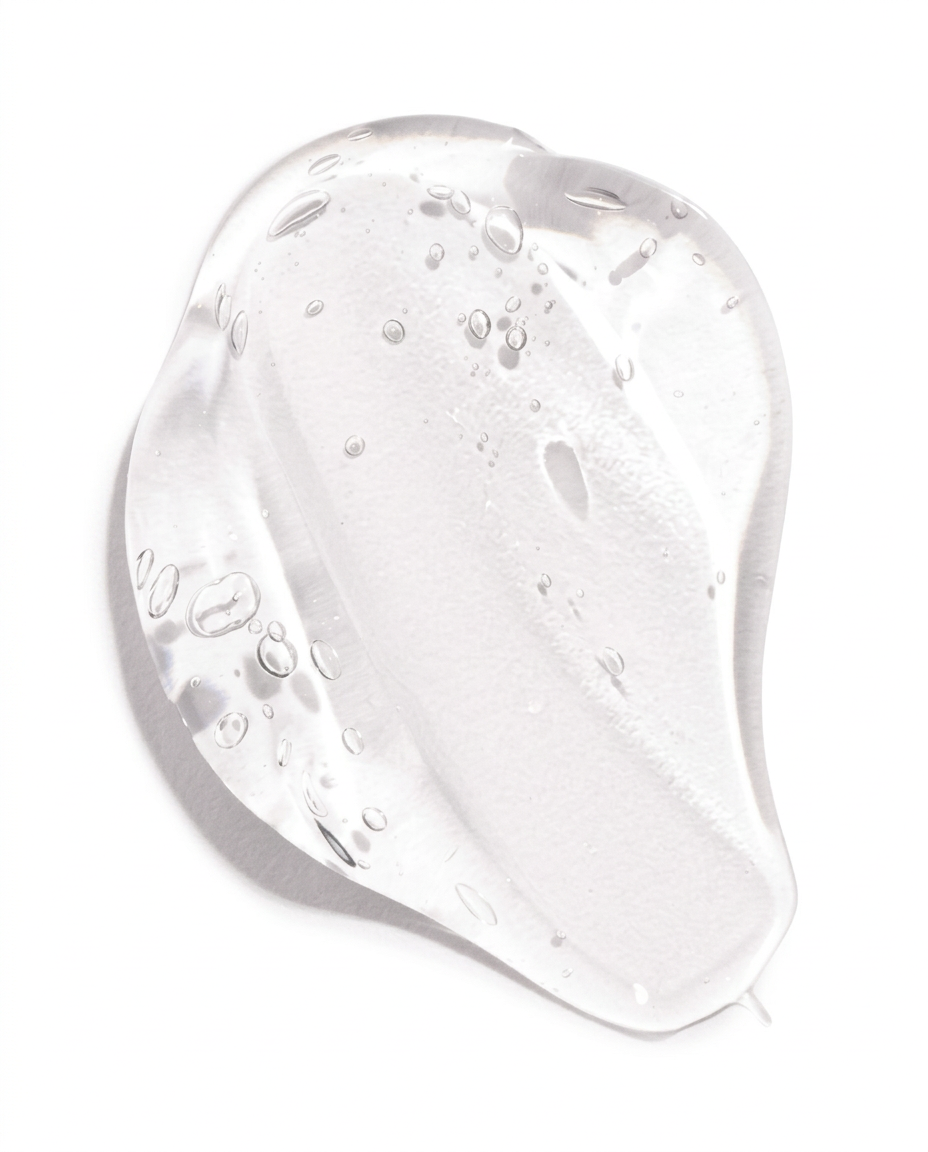


Product packaging may vary from the images shown based on pack size and packaging availability. Product specifications and declared net contents remain unchanged.
D-Panthenol (Pro-Vitamin B5)
Sold by weight (g or Kg) for formulation accuracy. Reference only: 250 g ≈ 240 mL (at 20°C).
Need a larger quantity? Explore bulk and trade supply options for production volumes.
VIEW BULK & TRADE OPTIONS →*Eligible Australian orders up to 10 kg. Bulk freight excluded.

Choose options


Selected for specification, not just ingredient name.
Specification Matters
Cosmetic grade
Documented quality
Formulator ready
FORMULATION OVERVIEW
D-Panthenol (Pro-Vitamin B5)
D-Panthenol (Pro-Vitamin B5) is a versatile cosmetic active valued across skincare and haircare for its moisturising, skin-conditioning, barrier-supporting and hair-conditioning functionality. Its ability to work across both skin and hair systems makes it particularly useful for formulators building products around hydration, comfort, softness and improved conditioning.
In skincare, D-Panthenol can form part of a broader humectant and conditioning system to support hydrated, softer and more comfortable-feeling skin, while complementing formulations developed around skin-barrier support and soothing. In haircare, it provides conditioning functionality that can help improve softness, reduce the feel of dryness and enhance hair lustre.
JNA's D-Panthenol is supplied as a high-strength ≥80% cosmetic-grade aqueous material, rather than a highly diluted finished formulation ingredient. It contains D-Panthenol and water without added carriers, preservatives, stabilisers or other additives, giving formulators a straightforward active composition with flexibility over the rest of their formulation.
The material is manufactured to a defined specification covering D-Panthenol concentration, pH and refractive index, with documented USP-NF monograph conformity. For formulators, that combines useful multi-category performance with clearly defined raw-material specifications.
Why Formulators Choose It
- High-strength Pro-Vitamin B5 - supplied to a defined ≥80% D-Panthenol specification, allowing formulators to control the active level within their own system.
- Skin + hair versatility - useful across facial skincare, body care, shampoos, conditioners, masks and other personal-care formulations.
- Hydration & barrier support - complements humectant and conditioning systems designed around hydrated, comfortable-feeling skin.
- Hair-conditioning functionality - supports softness, reduced dryness and improved lustre within suitable haircare systems.
- Straightforward composition - D-Panthenol and water, with no added carrier, stabiliser, preservative or other additive according to the manufacturer.
- Documented quality - cosmetic grade with a defined technical specification and manufacturer-confirmed USP-NF Dexpanthenol monograph conformity.
KEY SPECIFICATIONS
FORMULATION NOTES
Processing Notes
Incorporate into the aqueous phase with adequate mixing to ensure uniform distribution of the viscous material. D-Panthenol is miscible with water and ethanol but only partially soluble in oils, so direct incorporation into an oil phase is generally not the preferred approach.
Where heated processing is used, avoid unnecessary prolonged exposure to high temperatures and consider incorporation during the cooling stage where appropriate for the complete formulation.
Compatibility Notes
Compatible with a broad range of water-containing cosmetic systems and particularly useful alongside humectants, emollients, conditioning agents and other cosmetic actives.
Assess compatibility within the complete formulation, particularly where multiple humectants or conditioning ingredients are used, as the combined system can influence viscosity, tack and finished-product sensory characteristics.
pH Notes
The supplied D-Panthenol has a specified pH of 6.5–7.5 when measured as a 5% aqueous solution at 25°C.
Formulation Examples
Hydrating Facial Serum - Incorporate D-Panthenol into the aqueous phase alongside complementary humectants to build a multi-component hydration system while adding skin-conditioning and barrier-support functionality.
Barrier-Support Cream or Lotion - Use within the water phase of an emulsion alongside humectants and the formulation's lipid system to support hydrated, softer and more comfortable-feeling skin.
Soothing Toner or Essence - Incorporate into a predominantly aqueous formulation where moisturising and skin-comfort functionality are desired without relying on additional oil-phase ingredients.
Conditioning Shampoo or Conditioner - Use as part of the conditioning system where improved hair softness, reduced dry feel and enhanced lustre are formulation objectives.
Troubleshooting
Difficult to dispense or weigh accurately - D-Panthenol is naturally a high-viscosity liquid at room temperature. Allow sufficient time for dispensing and use appropriate weighing and transfer equipment rather than treating it like a low-viscosity liquid.
Not distributing evenly through the formulation - Ensure adequate mixing and incorporate into an appropriate aqueous portion of the formulation. Its water miscibility makes aqueous incorporation preferable to attempting to disperse concentrated material directly through an oil-dominant phase.
Finished formulation is tackier than expected - Review the complete humectant system. D-Panthenol may be combined with ingredients such as glycerin, propanediol or other humectants, and excessive combined humectant loading can influence tack and after-feel.
Unsure how much active Panthenol the formulation contains - Remember that JNA's material is D-Panthenol 80%, not 100% neat D-Panthenol. Calculate the delivered D-Panthenol concentration based on the concentration of the supplied material.
Raw material appears slightly yellow - This does not automatically indicate deterioration. The established appearance specification is colourless to pale yellow viscous liquid.
SENSORY PROFILE
Formulation Impact
Adds moisturising and conditioning functionality across both skin and hair formulations without acting as the primary emulsifier or rheology modifier. At higher inclusion levels or within multi-humectant systems, assess the complete formulation for tack and overall sensory balance.
QUALITY & SOURCING
JNA’s D-Panthenol is supplied as a D-Panthenol 80% cosmetic grade, manufactured to a defined ≥80.0% D-Panthenol specification with controlled pH and refractive-index parameters.
Manufacturing documentation confirms conformity with the applicable USP-NF monograph for Dexpanthenol.
Supported Claims
JNA’s D-Panthenol is supplied to a defined ≥80.0% D-Panthenol specification, with controlled pH and refractive-index parameters and manufacturing documentation confirming USP-NF monograph conformity.
The manufacturer confirms the composition as D-Panthenol and water only, with no added carriers, stabilisers, preservatives or other additives.
COMPARISON & ALTERNATIVES
A classic, highly effective humectant suited to formulations where straightforward hydration is the primary objective. Glycerin can complement D-Panthenol in multi-humectant systems but does not provide the same breadth of skin- and hair-conditioning positioning.
A multifunctional humectant and conditioning ingredient useful where hydration, skin feel and hair-conditioning support are desired. It can be used alongside D-Panthenol where a broader conditioning system is required.
A useful alternative or complementary active where soothing, skin comfort and conditioning of rough or dry-feeling skin are priorities. Unlike D-Panthenol, Allantoin has different solubility and processing considerations and is not a direct 1:1 substitute.
STORAGE & HANDLING
Storage Conditions
Store in a cool, dry place in a tightly sealed container, protected from strong light and heat. Keep tightly sealed after opening to minimise moisture exchange.
Handling Notes
Use clean, dry equipment when weighing, dispensing or transferring D-Panthenol. Due to its high viscosity at room temperature, allow sufficient time for accurate dispensing and minimise unnecessary exposure of the material during use. Keep the container securely closed when not in use.
Shelf Life / Retest Guidance
Shelf life: 24 months when properly stored. Refer to the applicable batch documentation and product label for the relevant expiry/retest information.
PRODUCT SAFETY
D-Panthenol is intended for use as a cosmetic formulation ingredient. Handle in accordance with good industrial hygiene and formulation practices and follow the applicable SDS when handling the concentrated raw material.
The manufacturing TDS describes the material as low-irritation under normal cosmetic dosage.
Warnings & Precautions
For formulation use only. Not intended for direct application to skin in undiluted raw-material form. Avoid contact with eyes and unnecessary prolonged or repeated contact with the concentrated material. Keep out of reach of children.
Formulator's Quick Guide
Why Formulators Choose This Ingredient
Powerful Hydration Support
Functions as an effective humectant, helping formulations support hydrated, softer and more comfortable-feeling skin.
Skin Barrier & Comfort
Supports the skin barrier while contributing soothing and conditioning benefits—making it especially useful in formulations targeting dry or stressed-feeling skin.
Skin +Hair Conditioning
Provides genuine crossover functionality, supporting skin conditioning as well as softer, smoother and better-conditioned hair.
Multi-Active Formulation Partner
Works well as part of more sophisticated active systems, allowing formulators to combine D-Panthenol with humectants, soothing ingredients, emollients and other actives to build broader hydration and conditioning performance.
FORMULATOR FAQ
D-Panthenol FAQ
Working With D-Panthenol
Ask a Question →D-Panthenol is very viscous - how can I get it out of the bottle more easily?
D-Panthenol 80% is a highly viscous liquid, so slower dispensing at room temperature is normal. Allow the bottle to stand at a comfortable room temperature before use and use a suitable dispensing tool where needed.
If the material is particularly difficult to dispense, gentle warming of the closed container in a lukewarm water bath can help improve flow. Avoid excessive heat or prolonged heating, and always weigh the required amount rather than estimating by volume.
How should I incorporate D-Panthenol into a formulation?
For most formulations, incorporate it into the aqueous phase or an aqueous portion of the formulation with adequate mixing. JNA's grade is miscible with water and ethanol but only partially soluble in oils, so adding it directly to an oil phase is generally not the most practical approach.
Should D-Panthenol be added during the heated phase or cool-down?
Where possible, cool-down addition is a sensible formulation approach, particularly when there is no processing reason to expose the ingredient to extended heating. The manufacturing TDS states that D-Panthenol decomposes at high temperature but does not specify a maximum processing temperature. Because no specific addition temperature has been provided, we should not invent a hard limit such as “add below 40°C."
How do I calculate the actual amount of D-Panthenol in my finished formulation?
Remember that JNA supplies an 80% grade, not 100% neat D-Panthenol. As a practical calculation, adding 2% of an 80% grade delivers at least 1.6% D-Panthenol based on the ≥80% specification; 5% delivers at least 4%. The exact batch assay may be highe-the current batch tested at 85.8%-but formulation calculations should normally be based on the guaranteed specification rather than assuming every batch will test at the current result.
Why can a Panthenol-containing serum become tacky, and how can I reduce it?
Look at the entire humectant system, not Panthenol in isolation. If D-Panthenol is being combined with substantial glycerin, propanediol or other humectants, the cumulative loading can create a tackier finish. Rather than automatically removing Panthenol, optimise the balance between humectants and assess the finished sensory profile at different total humectant levels.
Can D-Panthenol be used in both skincare and haircare, or are different grades required?
This cosmetic grade can be used across both skincare and haircare formulation types. The manufacturing documentation identifies moisturising, skin-barrier support and soothing functionality for skincare, together with hair-conditioning benefits including improved softness, reduced dryness and increased lustre.
Often paired with this ingredient
Explore a curated edit of key ingredients.
Learn more
Formulate with Confidence
Practical ingredient education and formulation guidance to help you choose, use and combine cosmetic ingredients with clarity.
Read All Articles
Article
What Does Panthenol Do in Skincare
Ingredient Knowledge
Ingredient Spotlight: Glycerin – Why It Remains a Formulation Essential
Ingredient Knowledge
Ingredient Spotlight: Squalane – Why It's One of Skincare's Most Loved Oils
Ingredient Knowledge
What Does Beta-Glucan Do in Skincare?
Ingredient Knowledge
Understanding Cosmetic Actives in Formulation
Ingredient Knowledge
Understanding Humectants in Cosmetic Formulations
Ingredient Knowledge
Why Formulators Use Ectoin
Ingredient Knowledge
Niacinamide for Barrier Support and Skin Balance
Formulation Systems
Understanding Core Ingredients in Cosmetic Formulation
Formulation Systems
Beginner Guide to Cosmetic Formulation: Building a Complete System
Beginner Formulation
What Does Pentylene Glycol Do in Skincare?
Beginner Formulation
How to Formulate a Hydrating Face Serum
Beginner Formulation
3 Ingredients Beginner Formulators Commonly Misuse - And How to Use Them Properly
Beginner Formulation
Why Glycerin Still Matters
Join the JNA Community
Get practical formulation tips, launches & ingredient updates.