Skip to content

Cart

Your cart is empty

Sclerotium Gum

INCI: Sclerotium Gum · CAS: 39464-87-4

≥99.0%Assay
FERMENTATION-DERIVED RHEOLOGY MODIFIER FOR SMOOTH TEXTURE, STABILISATION & SUSPENSION.
Smooth, Silky Rheology
Thickens & Stabilises
Suspension Support
Sale price$229.95
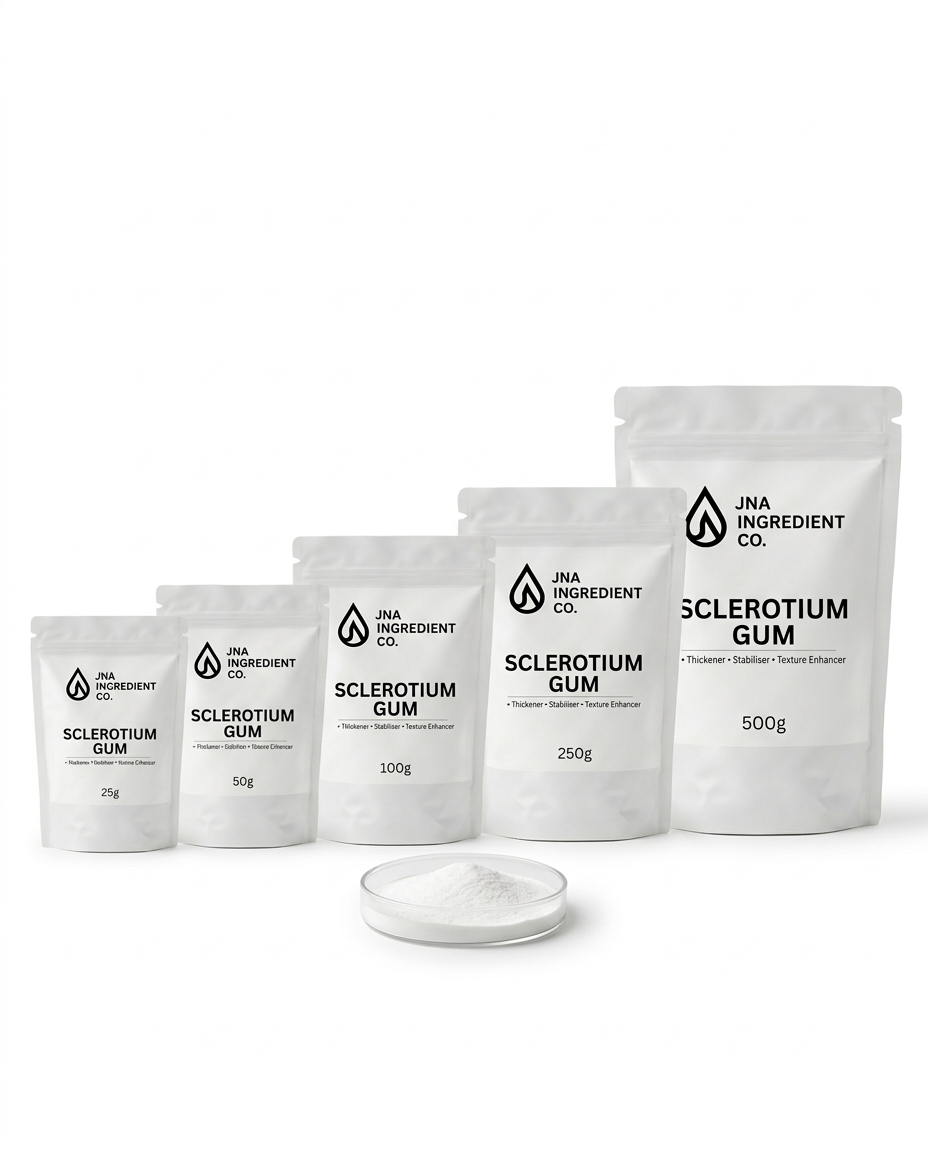
Available In:

Available to order

Sold by weight (g or Kg) for formulation accuracy.

Calculate quantity needed +
Recommended use levels

Gels 0.2–0.5%; serums 0.15–0.3%; creams 0.2–0.4%; lotions 0.1–0.25%.

Excludes processing loss and retained samples. The calculation does not establish a suitable or effective use level.

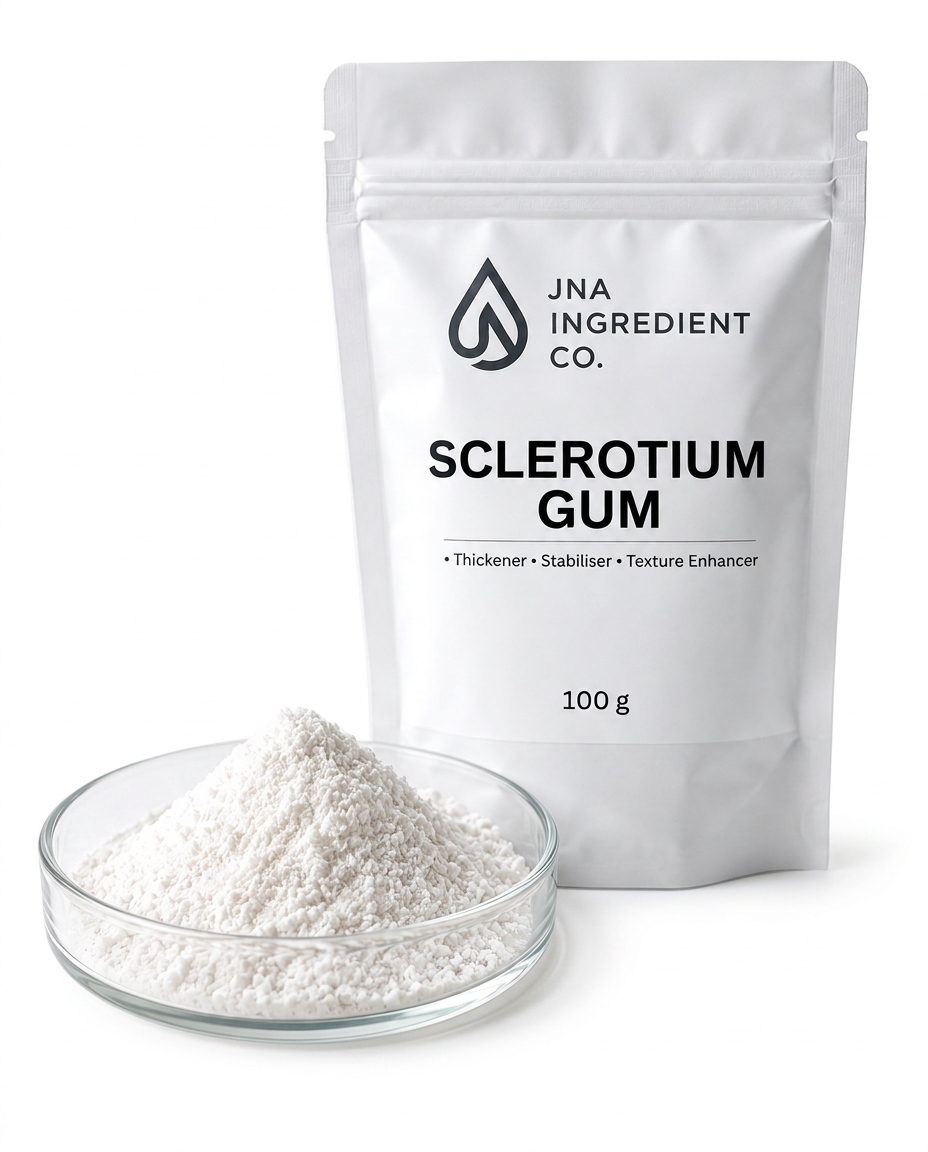
JNA Ingredient Co. Sclerotium Gum cosmetic‑grade natural thickener in minimalist packaging for gel creation and texture enhancement in skincare formulations
Sclerotium Gum500 g Sale price$229.95
Australianowned & operated
Trusted byformulators
Quality ingredientsfor real results
Wholesale & bulk supply enquiriesTell us your ingredient, quantity and timeframe

Our Sclerotium Gum

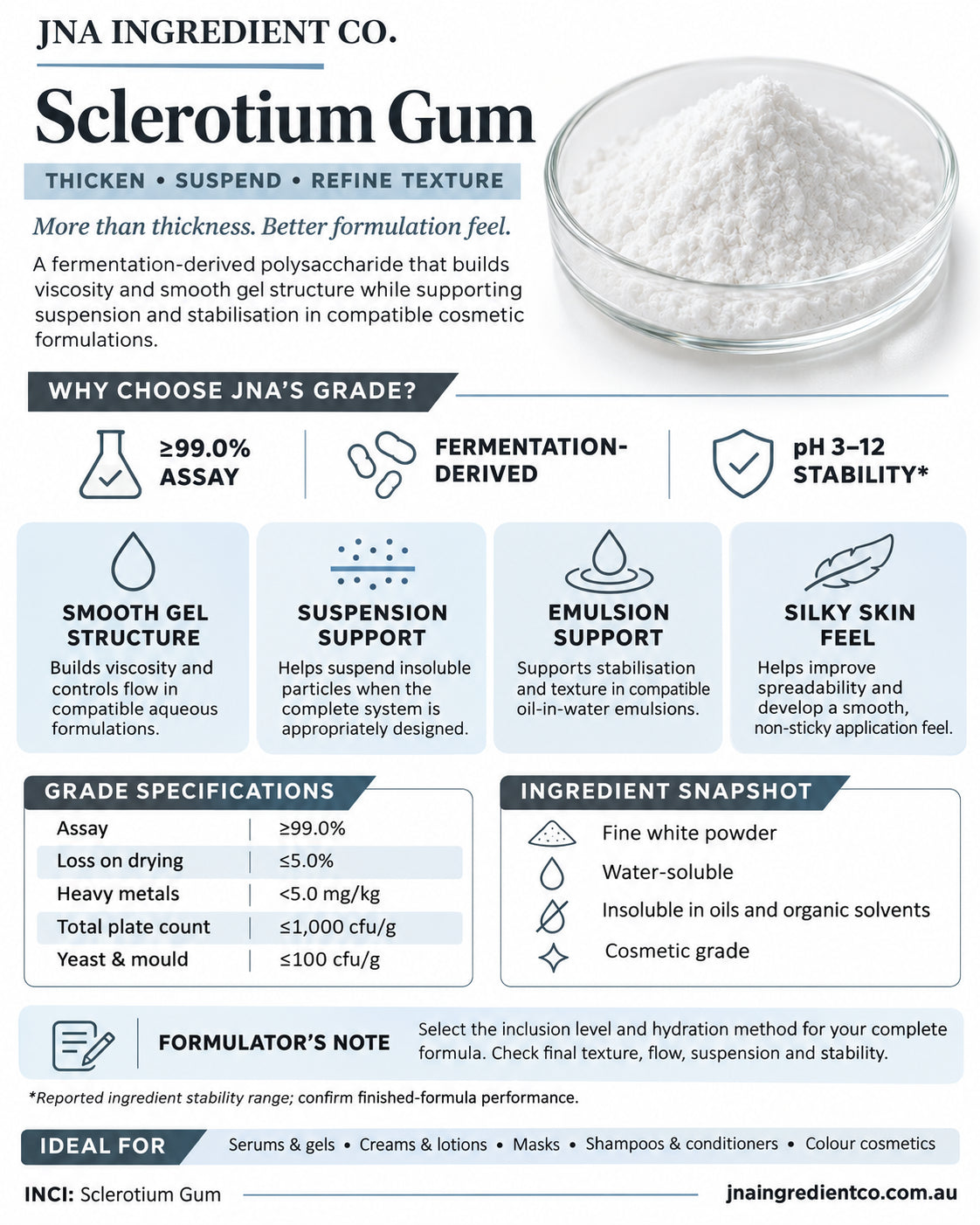
JNA’s Sclerotium Gum combines fermentation-derived origin, a specified minimum 99.0% HPLC assay and multifunctional texture control. It builds viscosity and smooth gel structure while supporting suspension and stabilisation in compatible aqueous products and oil-in-water emulsions.

Use it when you want more than thickness alone. Its contribution to spreadability and a silky, non-sticky feel makes it useful in serums, gels, creams, lotions, masks and haircare where application quality matters alongside structure.

Our cosmetic grade has defined moisture, heavy-metal and microbiological specifications, giving you measurable quality benchmarks for ingredient selection and repeat purchasing.

Documented stability across pH 3-12 offers development flexibility across different formulation briefs. Establish the final inclusion level and hydration method around your complete formula, checking the texture, flow and suspension performance you want to achieve.

Why choose JNA’s Sclerotium Gum?

  • Multi-Functional Rheology ControlProvides thickening, gelling and suspending functionality, helping formulators manage viscosity and structure with one rheology modifier
  • Broad pH FlexibilityPerforms across a broad pH range, making it useful across formulation systems with very different finished-product pH requirements.
  • Smooth Sensory ProfileHelps create smooth textures with good spreadability and a silky, non-sticky feel, making it particularly attractive for elegant skincare formulations.
  • Stability & Suspension SupportProvides structural support for oil-in-water emulsions and suspended insoluble materials, extending its usefulness beyond viscosity building alone.

KEY SPECIFICATIONS

Know what you’re formulating with.

≥99.0%

Assay

HPLC assay · Defined viscosity of 12,000–22,000 mPa·s at 0.2%.

INCI
Sclerotium Gum
Otherwise known as
Scleroglucan
CAS number
39464-87-4
Grade
Cosmetic Grade
Appearance
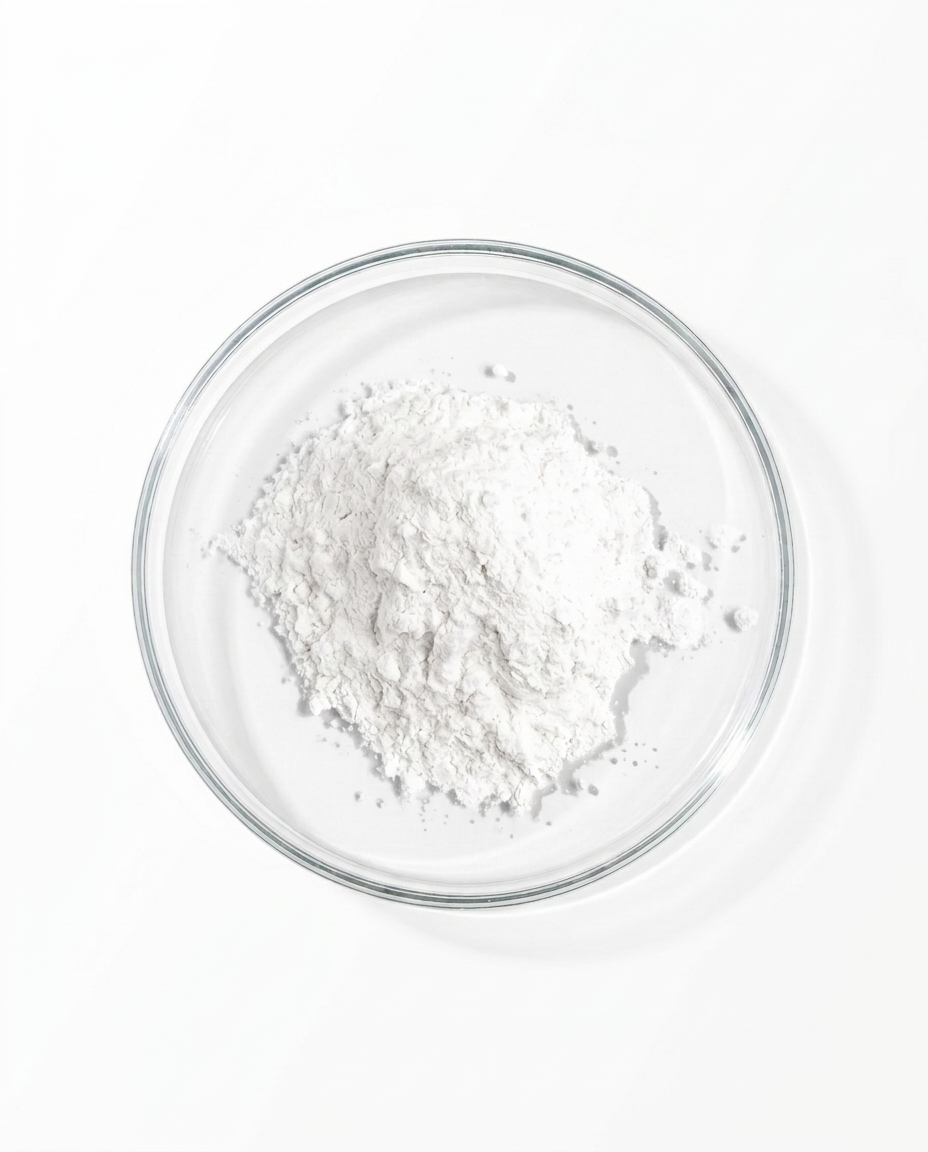
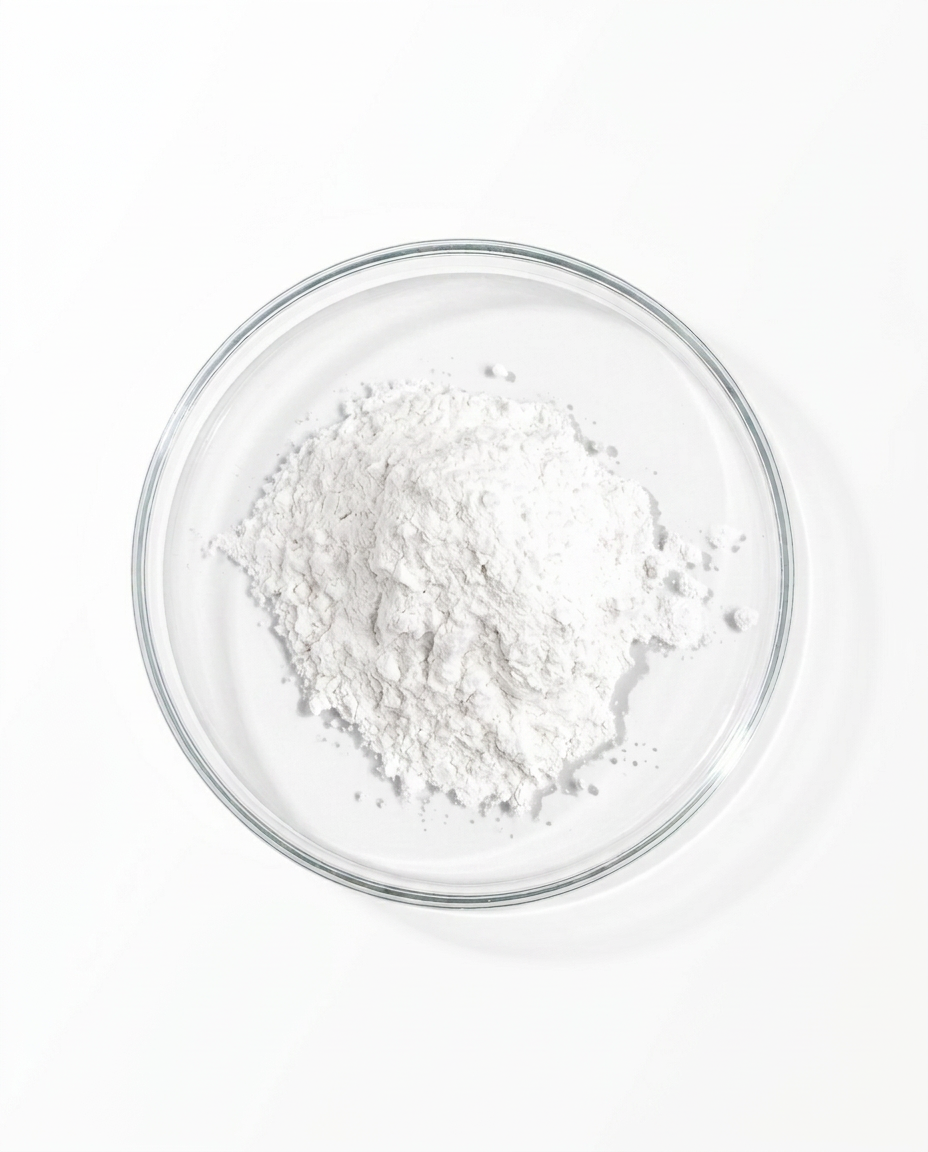
Fine white powder
Source
Microbial fermentation-derived polysaccharide
Recommended use range
Gels 0.2–0.5%; serums 0.15–0.3%; creams 0.2–0.4%; lotions 0.1–0.25%.
Assay specification
Assay ≥99.0% (HPLC)
Solubility
Water dispersible
  • No Animal Testing

    Declared Not tested on Animals

  • Non-GMO

    Declared free from genetically modified organisms

  • Fermentation Derived

    Produced using a fermentation process.

  • Vegan Suitable

    No animal-derived materials used in manufacturing

QUALITY · SOURCING · SAFE HANDLING

Selected for specification.

Ingredient name is the beginning. Specification is the difference.

We select our ingredients for the quality behind the name: the right grade, defined purity or composition, clear origin and consistent specifications.

Our focus is dependable ingredients, supported by clear technical information, that you can formulate with confidence and rely on for repeat production.

Need more information about this ingredient
Formulation & Processing

Processing

Recommended starting levels, by weight of the complete formulation: gels 0.2–0.5%; serums 0.15–0.3%; creams 0.2–0.4%; lotions 0.1–0.25%. Select the final level through formulation and stability trials.

Pre-disperse Sclerotium Gum in glycerin at a gum:glycerin ratio of 1:5 to 1:10 by weight, using gentle stirring to form a uniform slurry. Add the slurry slowly to the water phase under continuous agitation to minimise lumps.

For this grade, the recommended hydration conditions are 30–60 minutes at 25–45°C with medium-speed stirring. Avoid prolonged heating above 60°C and extended high-shear homogenisation.

Allow complete hydration before assessing viscosity. Confirm the process and final texture in the complete formulation, and record mixing and hydration conditions for repeat production.

Compatibility

Suitable for aqueous systems and as a stabilising aid in oil-in-water emulsions. It complements the emulsifier system rather than replacing the primary emulsifier.

This grade has moderate tolerance to monovalent electrolytes such as sodium chloride. High concentrations of divalent or trivalent salts can reduce viscosity.

Compatible with many nonionic and mild anionic surfactants. High levels of strongly ionic surfactants may reduce thickening efficiency. Assess the actual surfactant and electrolyte system at its intended concentration and pH.

Validate viscosity, flow, suspension and emulsion stability after full hydration and during storage; compatibility is not a guarantee for every finished formula.

pH guidance

The TDS gives a formulation stability range of pH 3–12 for this grade. The raw-material solution specification is pH 5.5–8.0 at 0.2% in water; this is not the finished-product pH target. Select pH to suit the complete formula and verify stability.

Troubleshooting

Lumps or uneven dispersion
Ensure the powder is dispersed gradually and uniformly rather than allowing a concentrated mass of powder to contact the water at once. Provide adequate mixing and sufficient hydration time before assessing the formulation.

Lower viscosity than expected
Allow the gum to hydrate fully before making adjustments. Review the concentration used and the composition of the complete formulation, as other ingredients can influence final rheology.

Excessive viscosity or gel structure
Reduce the Sclerotium Gum level where appropriate and reassess after complete hydration. Small changes in rheology-modifier concentration can noticeably alter finished-product structure.

Particle settling or insufficient suspension
Review the viscosity and structure of the continuous phase and the amount, density and particle characteristics of the suspended material. Increasing viscosity alone does not necessarily guarantee adequate long-term suspension.

Changes after adding other ingredients
Evaluate Sclerotium Gum within the complete formulation. Surfactants, electrolytes, other polymers and formulation solids may influence the final rheological behaviour.

Texture changes during stability testing
Assess viscosity, homogeneity, suspension and emulsion stability over time rather than relying only on the formulation immediately after manufacture. Finished-product stability testing should determine whether the rheology system is suitable for the intended formulation.

Grade & analytical controls

Viscosity: 12,000–22,000 mPa·s (cP). Measured in a 0.2% solution in deionised water at 25 °C after 30–60 minutes of hydration (Brookfield, spindle #3, 20 rpm).

Loss on drying ≤5.0% · pH 5.5–8.0 (0.2% aqueous solution).

Supplier-reported USP testing references: microbial enumeration and specified microorganisms, USP <61> and <62>; elemental impurity analysis by ICP, USP <233>. The supplier also references USP <232> for elemental impurity limits. These references do not indicate USP monograph conformity or certification.

Supplier specifications: heavy metals <5.0 mg/kg · Total plate count ≤1,000 CFU/g · Yeast and mould ≤100 CFU/g · E. coli and Salmonella negative

Storage & shelf life

Store Sclerotium Gum in a cool, dry place in a tightly sealed container, protected from direct sunlight, high temperatures and humid conditions. Keep the container tightly closed after use to minimise moisture absorption and contamination.

Shelf life is 24 months when stored under the recommended conditions. Refer to the expiry date shown on the product label and applicable batch documentation.

Handling & product safety

Use clean, dry equipment when dispensing or transferring the powder and keep the container tightly closed when not in use. Handle in accordance with good industrial hygiene practices and use appropriate eye protection when handling the concentrated raw material.

Sclerotium Gum is intended for use as a cosmetic formulation ingredient. Handle in accordance with good industrial hygiene and formulation practices. Avoid unnecessary direct contact with the concentrated raw material and follow the applicable SDS when handling.

For formulation use only. Not intended for direct application to skin in undiluted raw-material form. Avoid contact with eyes and prolonged or repeated contact with the concentrated material. Keep out of reach of children.

The formulator or manufacturer of the finished product is responsible for determining the appropriate use level, assessing ingredient compatibility and completing all necessary stability, safety, preservative and regulatory assessments for the intended product and market. Raw-material suitability does not establish the safety, stability or regulatory compliance of the finished formulation.

Documentation
Shipping & supply

Shipping charges and delivery options are confirmed at checkout. For supply quantities beyond the listed packs, contact JNA with your requirements.

View shipping information ↗
Need more information about this ingredient

Sclerotium Gum

FORMULATOR FAQ - SCLEROTIUM GUM

Working With Sclerotium Gum

What is the difference between Sclerotium Gum and Xanthan Gum?

Both can provide thickening and stabilising functionality, but they can produce different rheological and sensory characteristics. Sclerotium Gum is particularly useful where a smooth gel texture, broad pH stability and silky, non-sticky sensory profile are desired. They should not be treated as direct 1:1 substitutes.

Does Sclerotium Gum need to be neutralised?

No neutralisation requirement is specified in the manufacturing TDS. Sclerotium Gum is water soluble and is used to build viscosity and gel structure without the neutralisation step associated with some synthetic polymeric thickeners.

How should Sclerotium Gum be added to a formulation?

Pre-disperse Sclerotium Gum in glycerin at a gum:glycerin ratio of 1:5 to 1:10 by weight, using gentle stirring to form a uniform slurry. Add the slurry slowly to the water phase under continuous agitation to minimise lumps.

For this grade, the recommended hydration conditions are 30–60 minutes at 25–45°C with medium-speed stirring. Avoid prolonged heating above 60°C and extended high-shear homogenisation.

Allow complete hydration before assessing viscosity. Confirm the process and final texture in the complete formulation, and record mixing and hydration conditions for repeat production.

Can Sclerotium Gum help suspend particles?

Yes. The manufacturing TDS specifically identifies suspending functionality, including helping suspend insoluble particles within cosmetic formulations. The effectiveness of the suspension will still depend on the complete formulation and the characteristics of the suspended material.

Can Sclerotium Gum be used in emulsions?

Yes. Sclerotium Gum can provide rheology and stabilising support in oil-in-water emulsions. It should be considered a rheology modifier and stabilising aid rather than assuming it will replace the primary emulsifier required by the formulation.

Is Sclerotium Gum suitable across different formulation pH levels?

It offers unusually broad formulation flexibility, with the manufacturing TDS stating stability across approximately pH 3–12. Finished-product pH should still be selected according to the requirements of the complete formulation and its other ingredients.

Ingredient shortlist

Your shortlist is empty. Bookmark ingredients to keep them here while you shop.